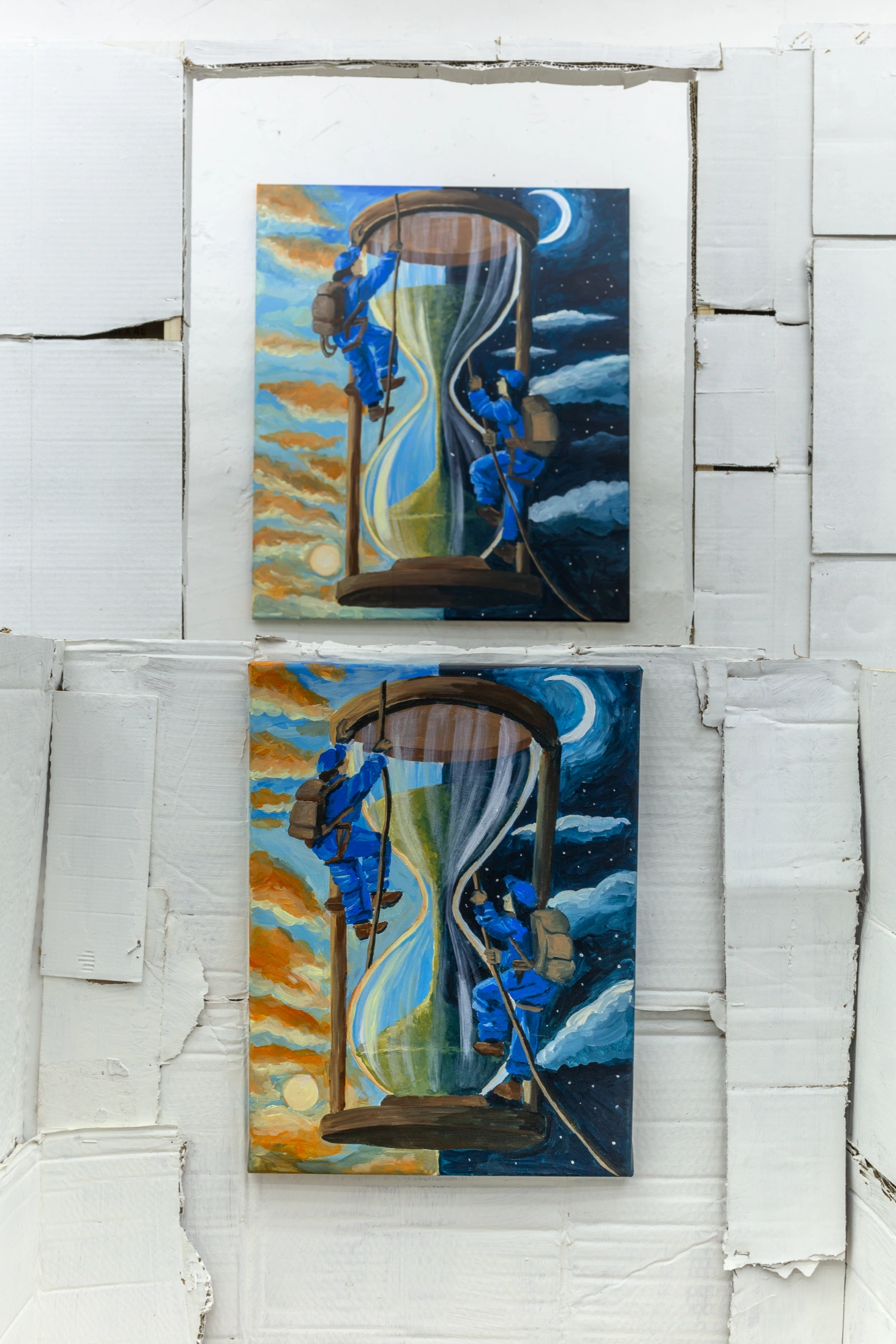
Occupation was a project that sought to problematize on the relationship between culture and the work sphere, determined by the neoliberal economic system, and developed alternative views towards notions of productivity, capital, community and freedom, evidencing the precarization to which the artistic system has been subjected and the exploitation of creativity as a low-cost consumer good.
From philosophy, economics or politics, from Smith to Marx, the central pillar on which the achievement of humanity’s welfare was constituted was labor. For the former, the ideological focus was placed on the individual value of capital, while in the latter productivity was essential to the movement of collective machinery. In both cases, work was valued from both a moral perspective and the achievement of goods and products. So it was no surprise that popular culture had incorporated the phrase “work elevates oneself” as one of the most common expressions, since it reinforced that moral sense in which those who maintained a regular productive activity over time were considered essential to sustain the political and economic order based on the idea of progress, in a system where different disciplines were committed to the measurement of indicators that made it possible to keep a machine alive, which needed its permanent drive.
In our country, the artists had a reduced labor field. In addition, they worked in precarious working conditions, where basic needs were often not met. For this reason, many performed outsourced jobs to make a living: waiters in fast food restaurants, packers in supermarkets, street vendors of wholesale products, cleaning assistants in commercial offices and assistants in workshops of various trades. It was in the exercise of these works that the “Honorarias Collectivo” imaginary was born, in which the boundaries between wage labor and free/forced labor became blurred. What was the place of work? What determined that an activity was considered as a job? Was the artistic work a job like any other? Could any work be an artistic work?
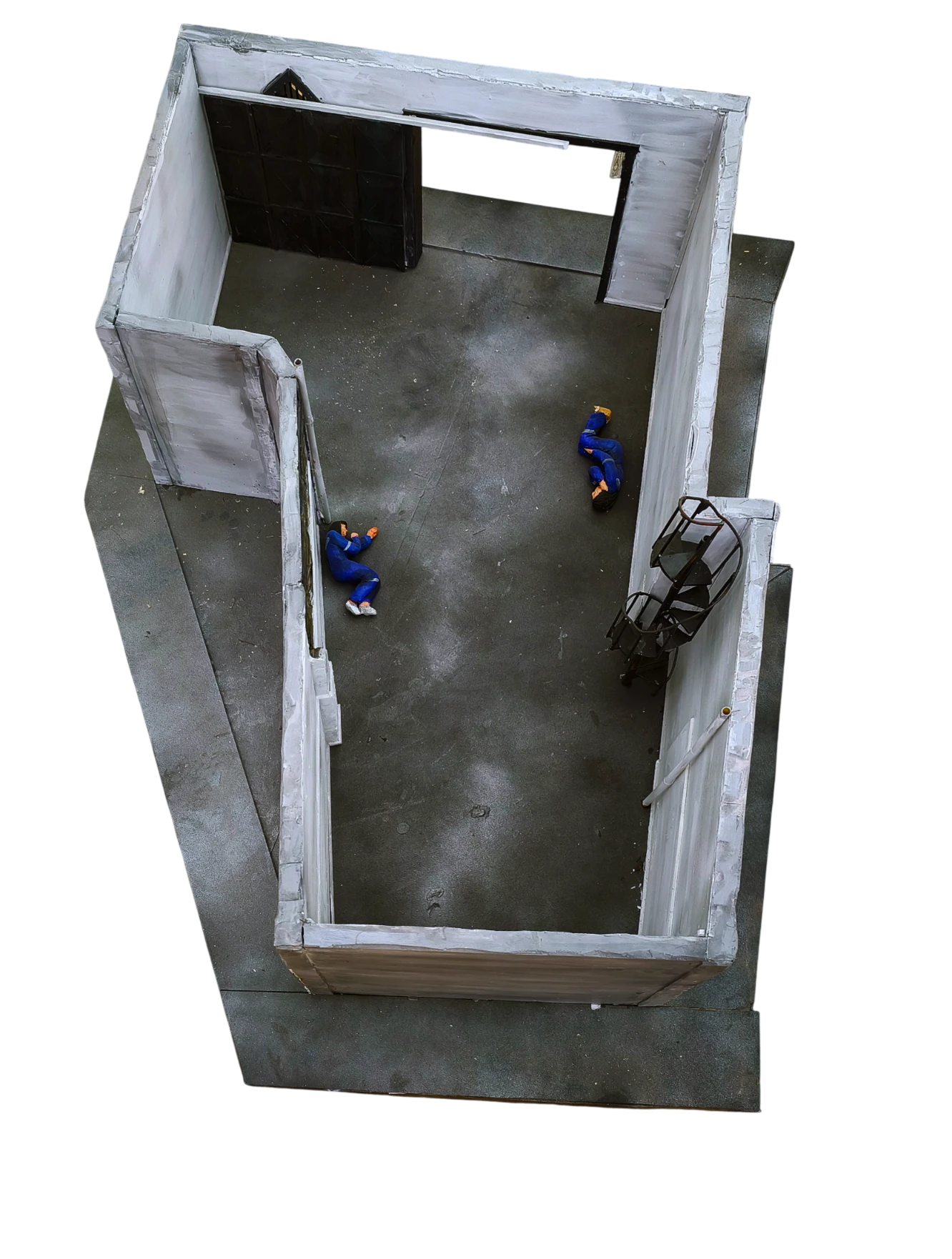
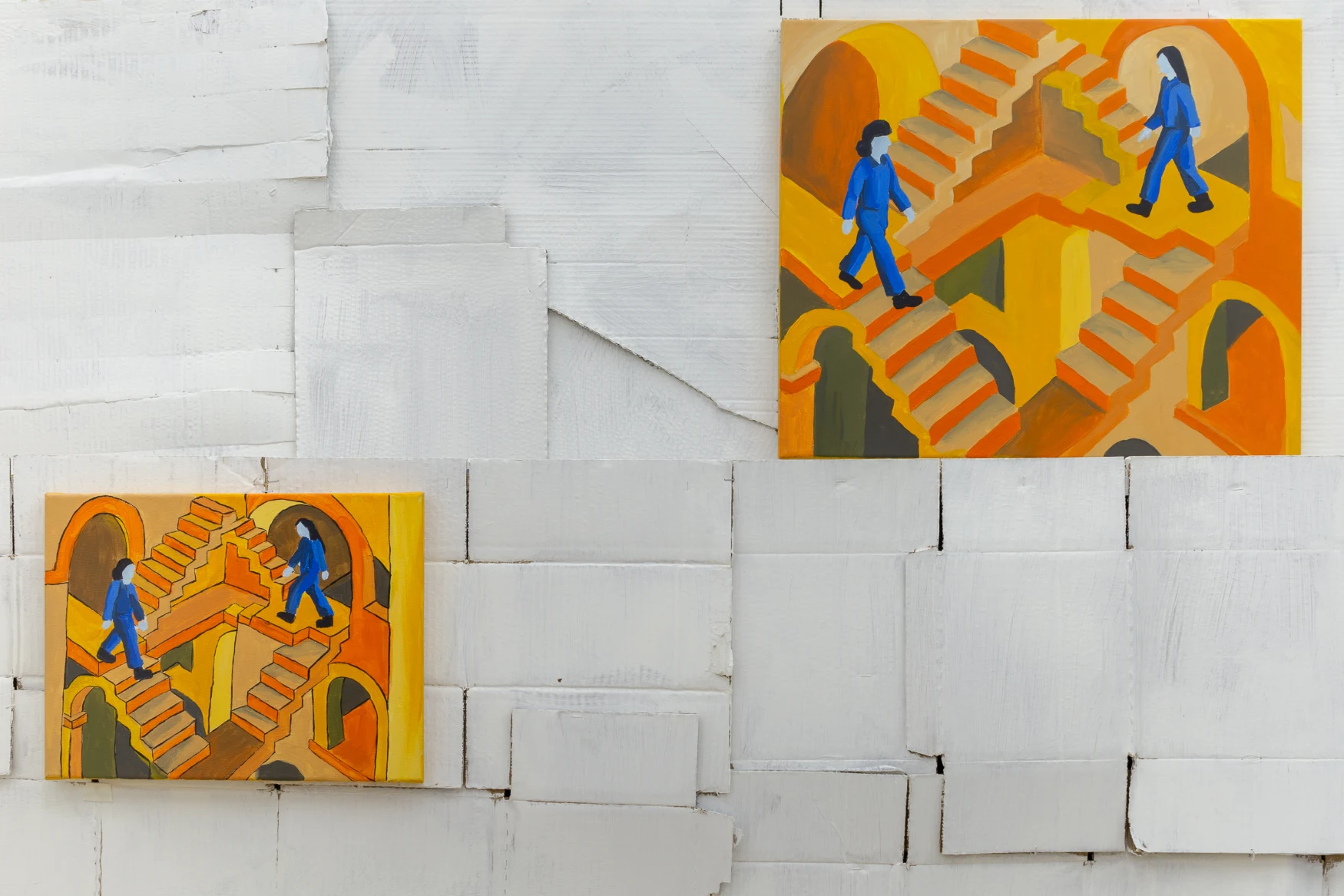
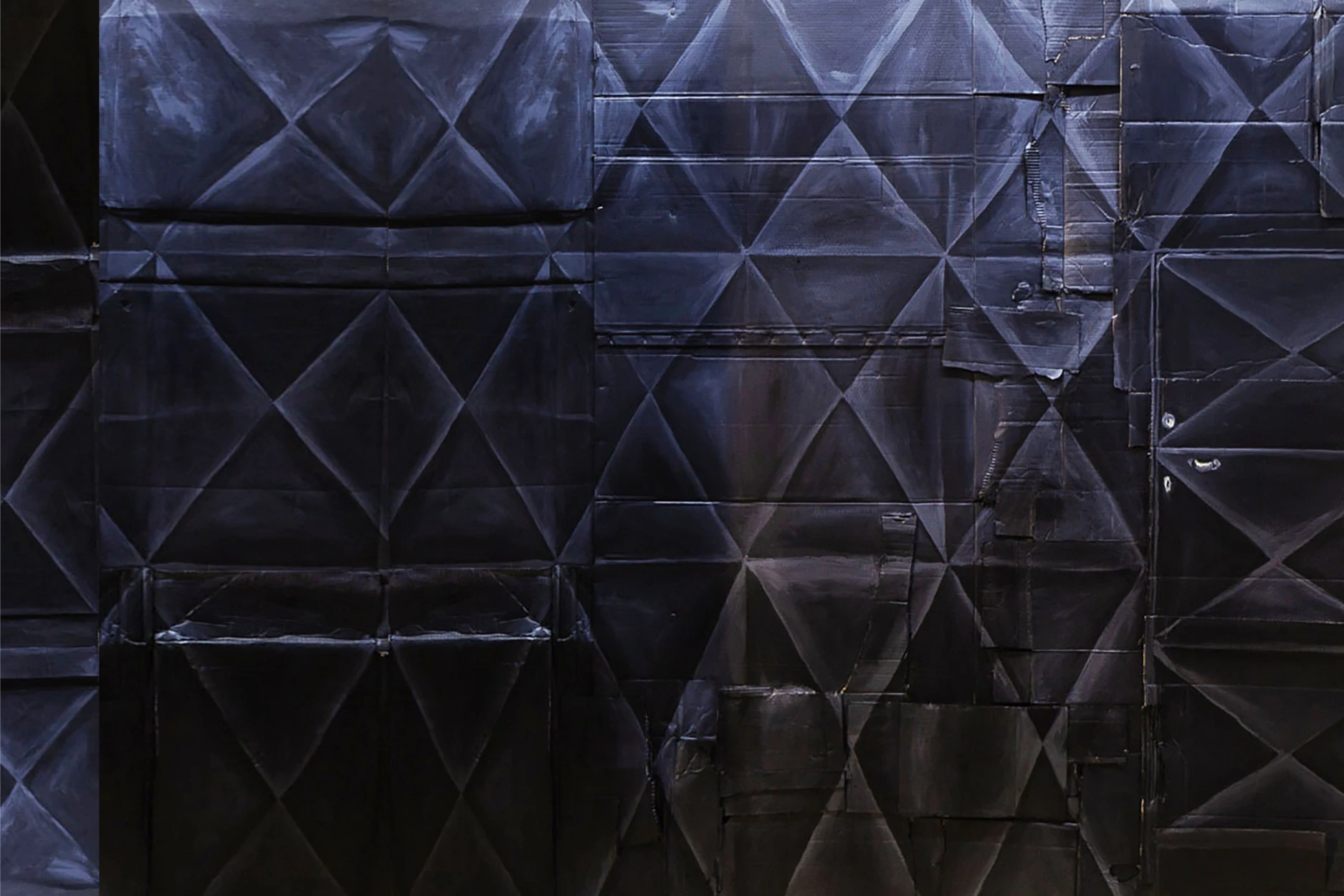
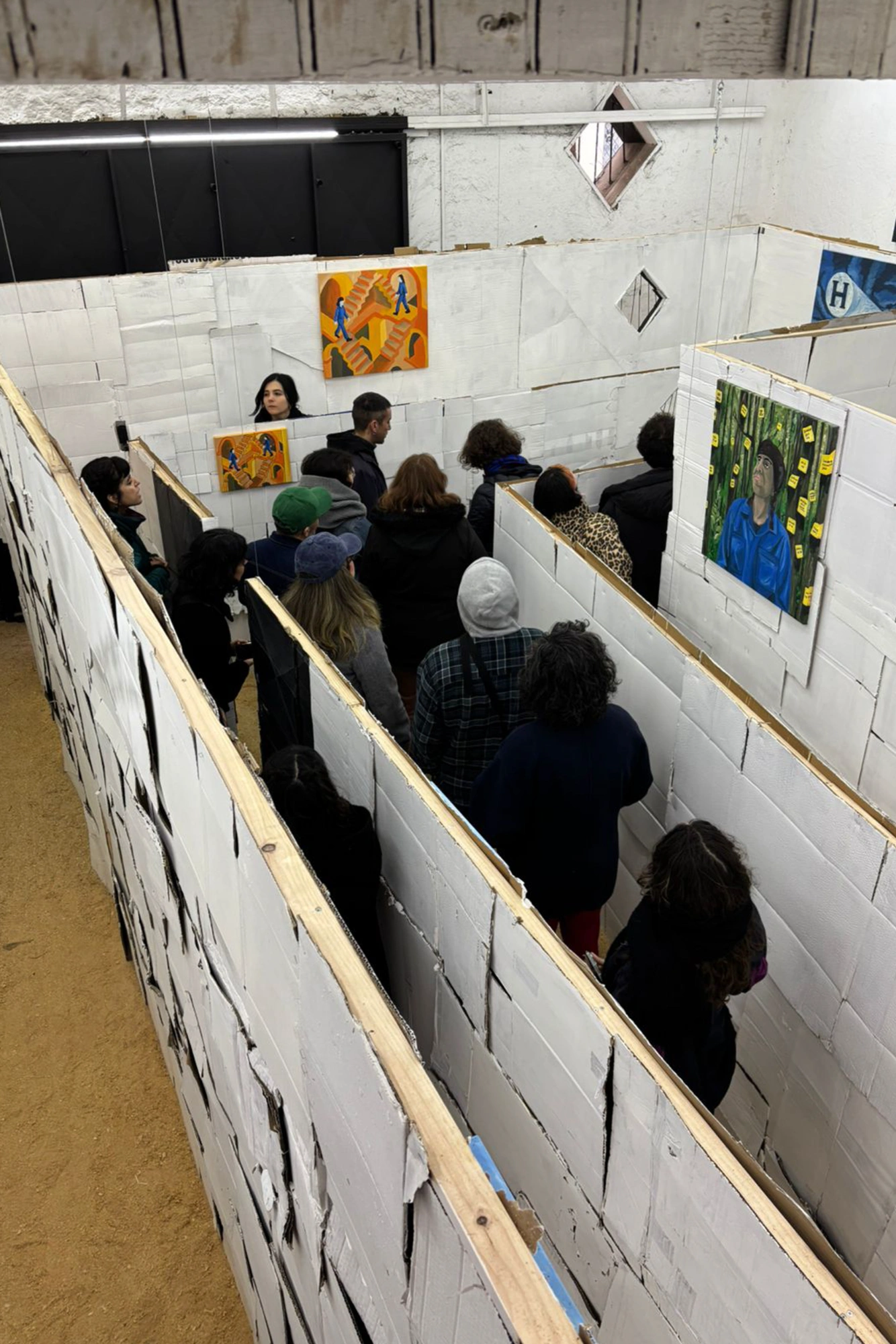
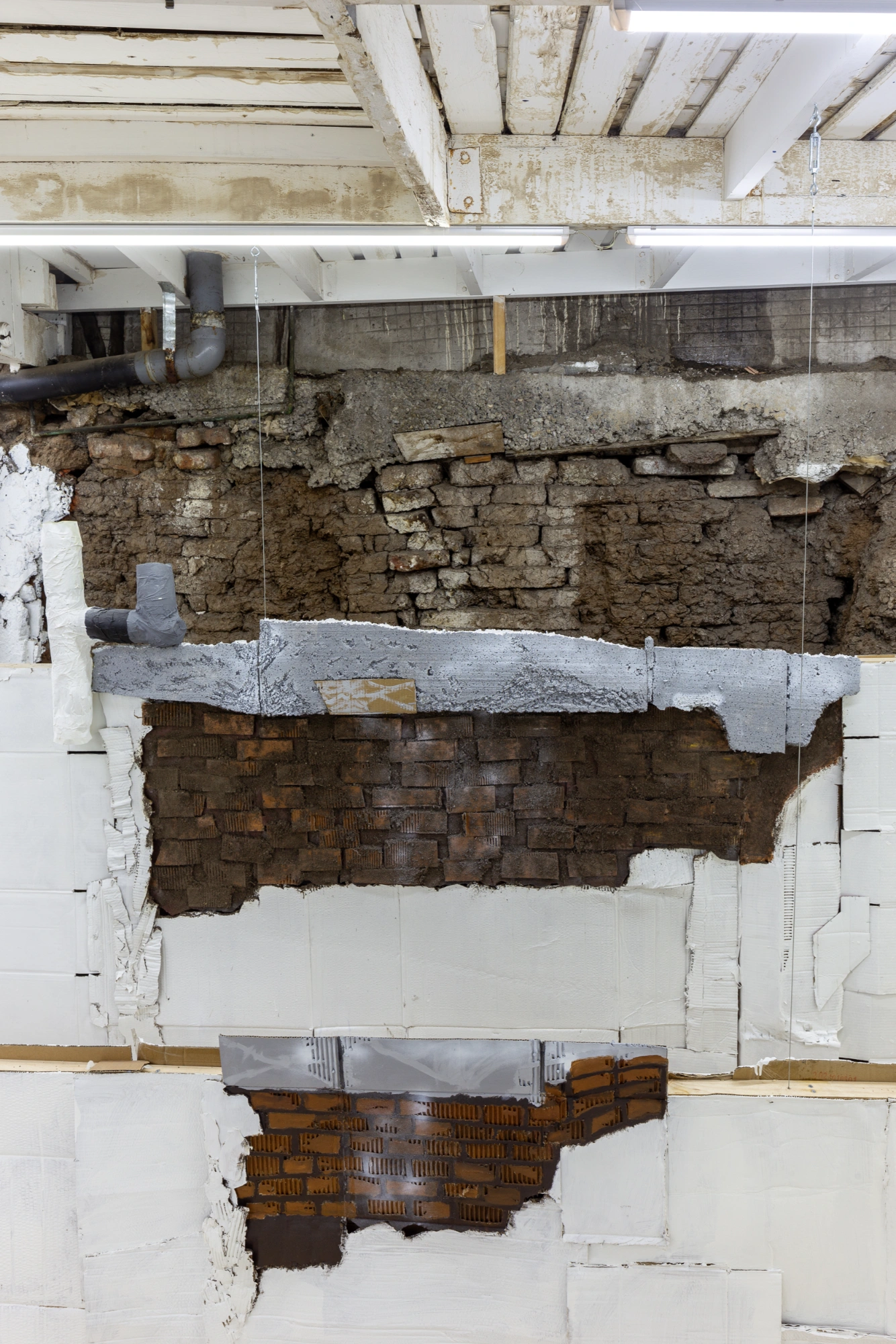
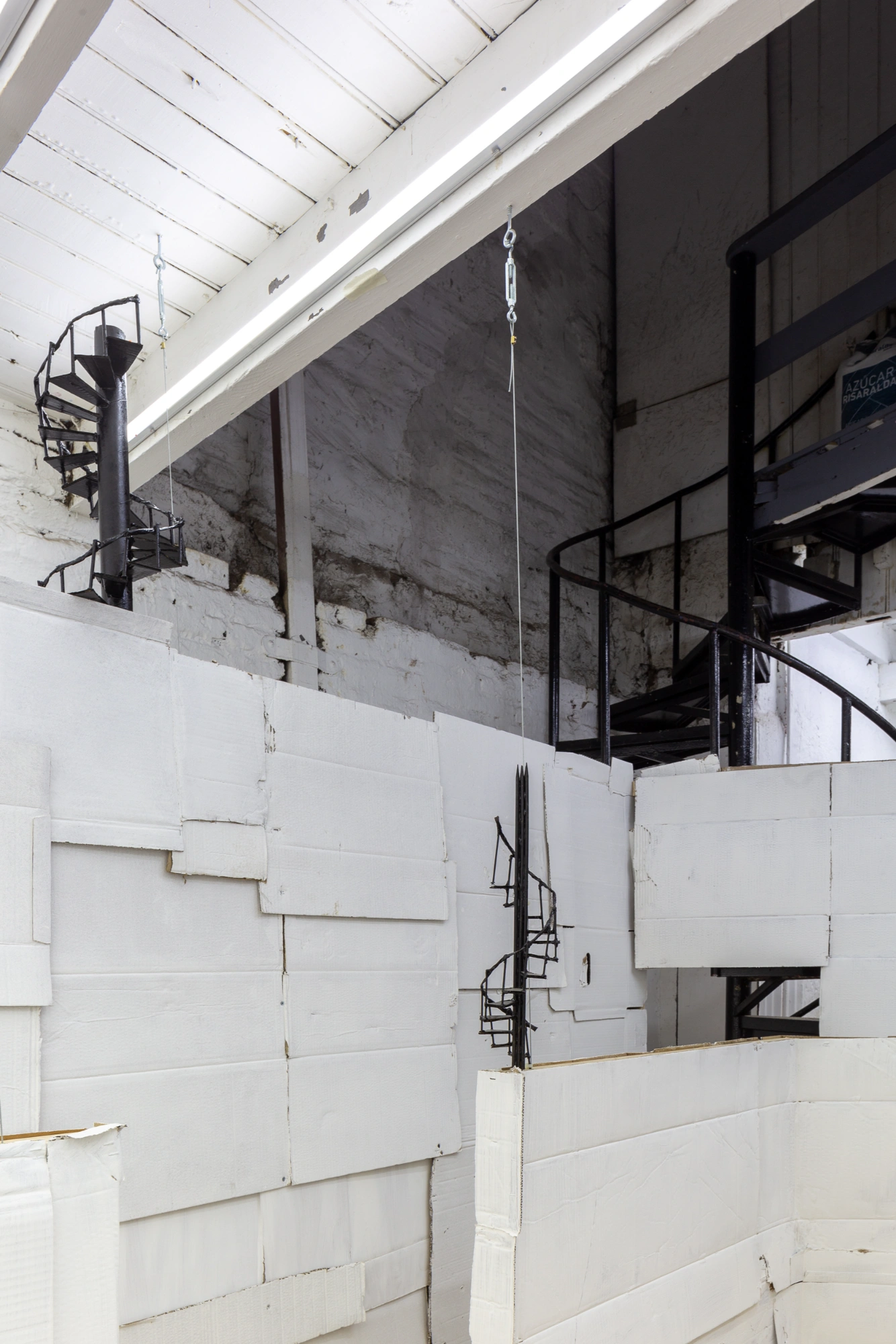
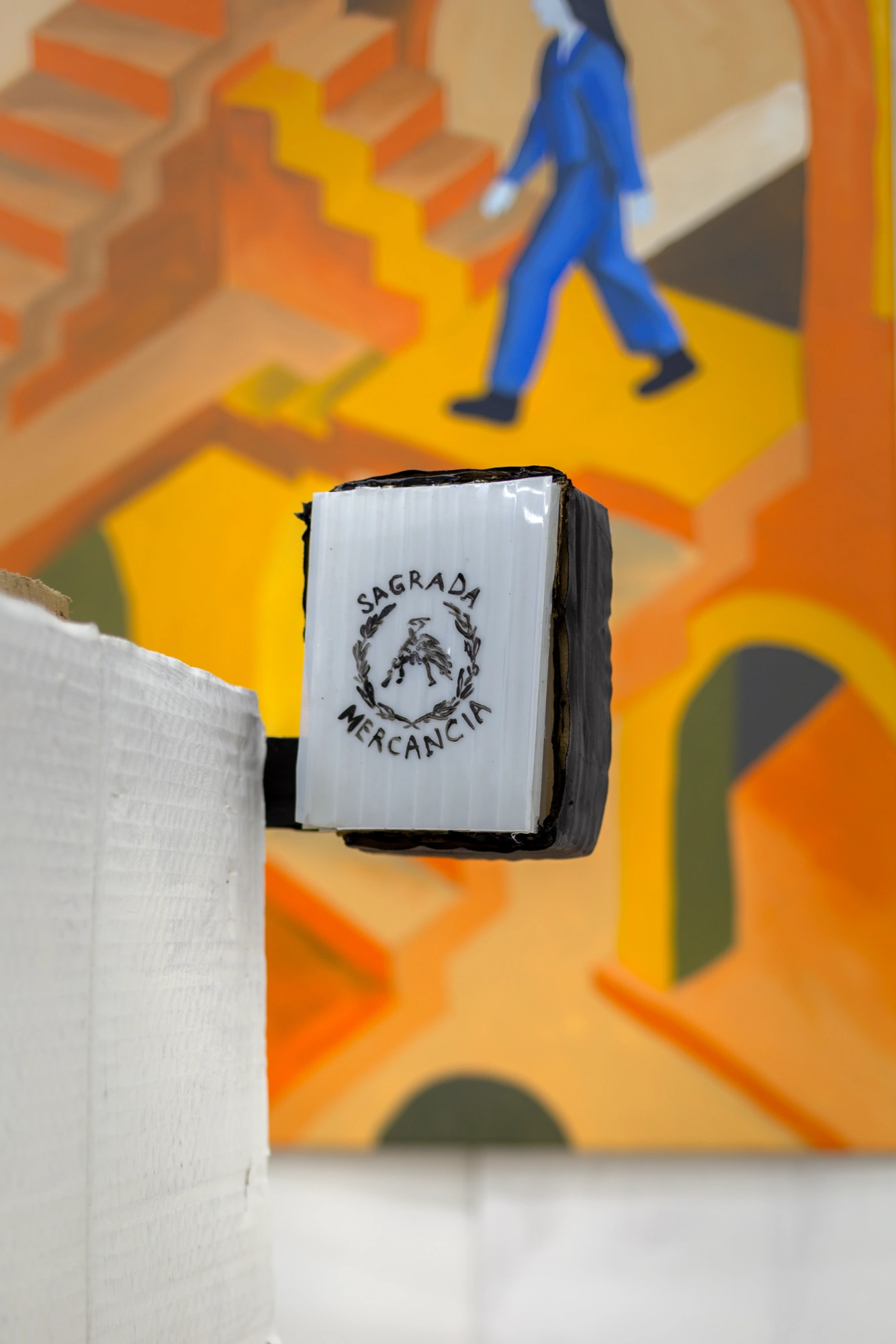
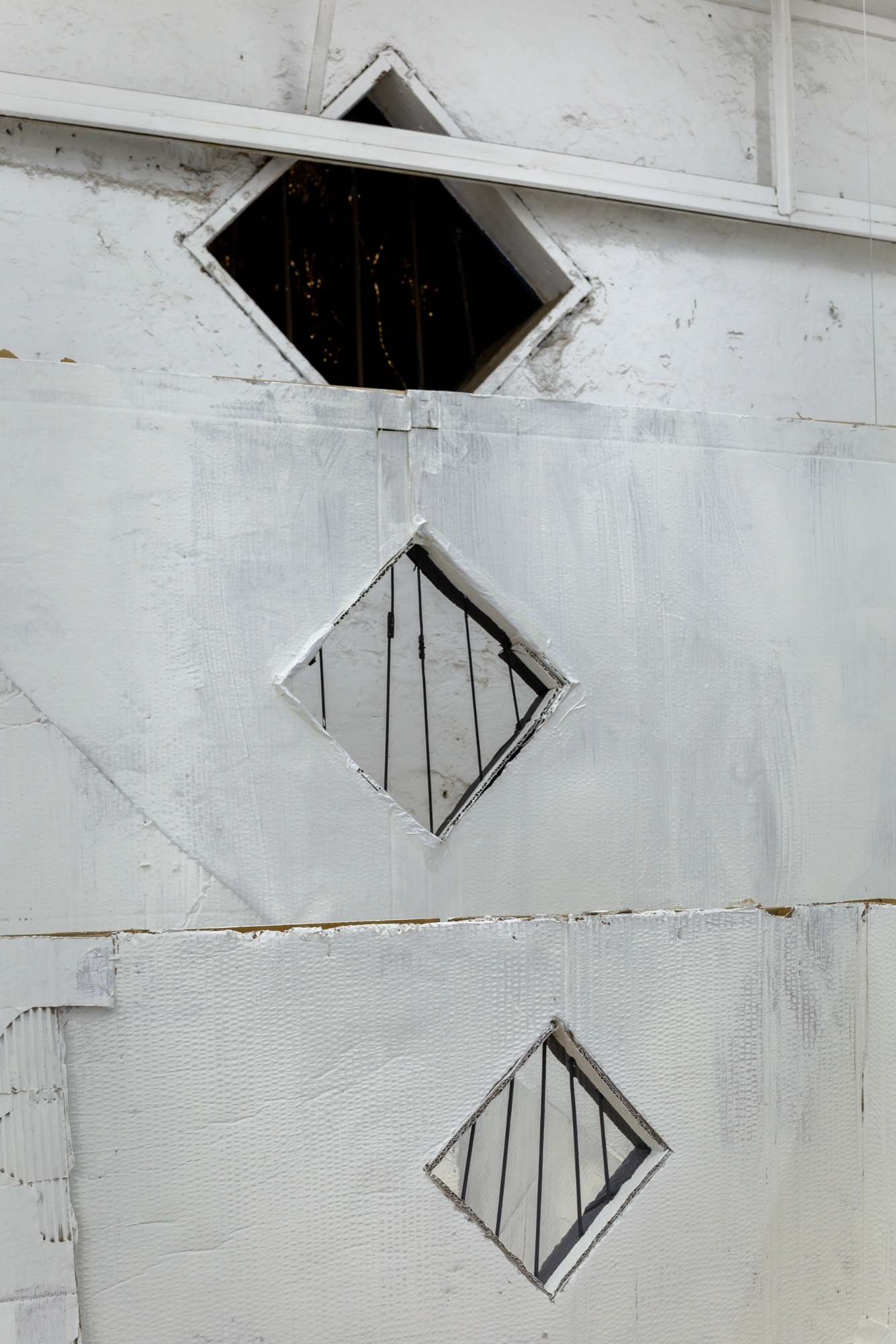
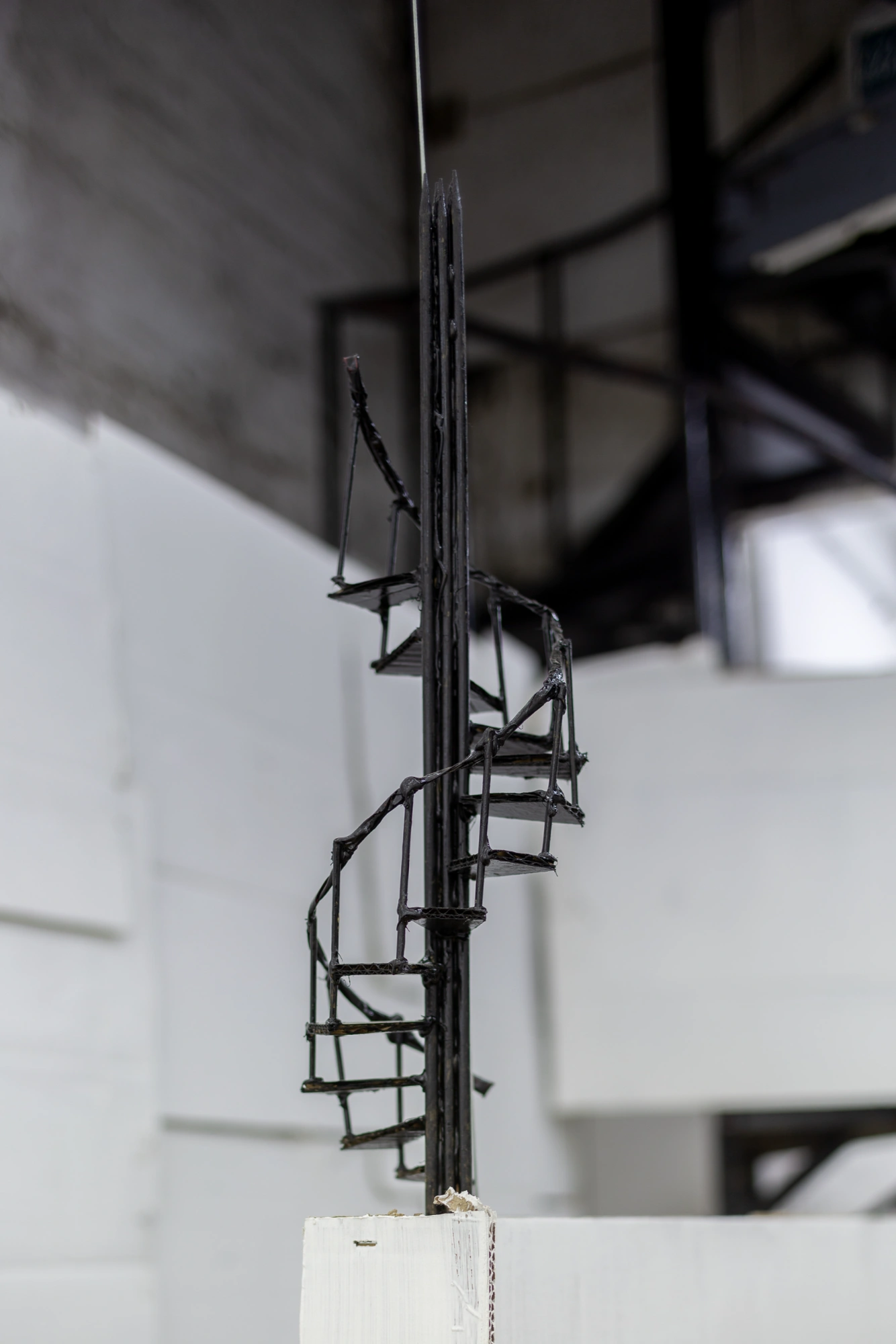
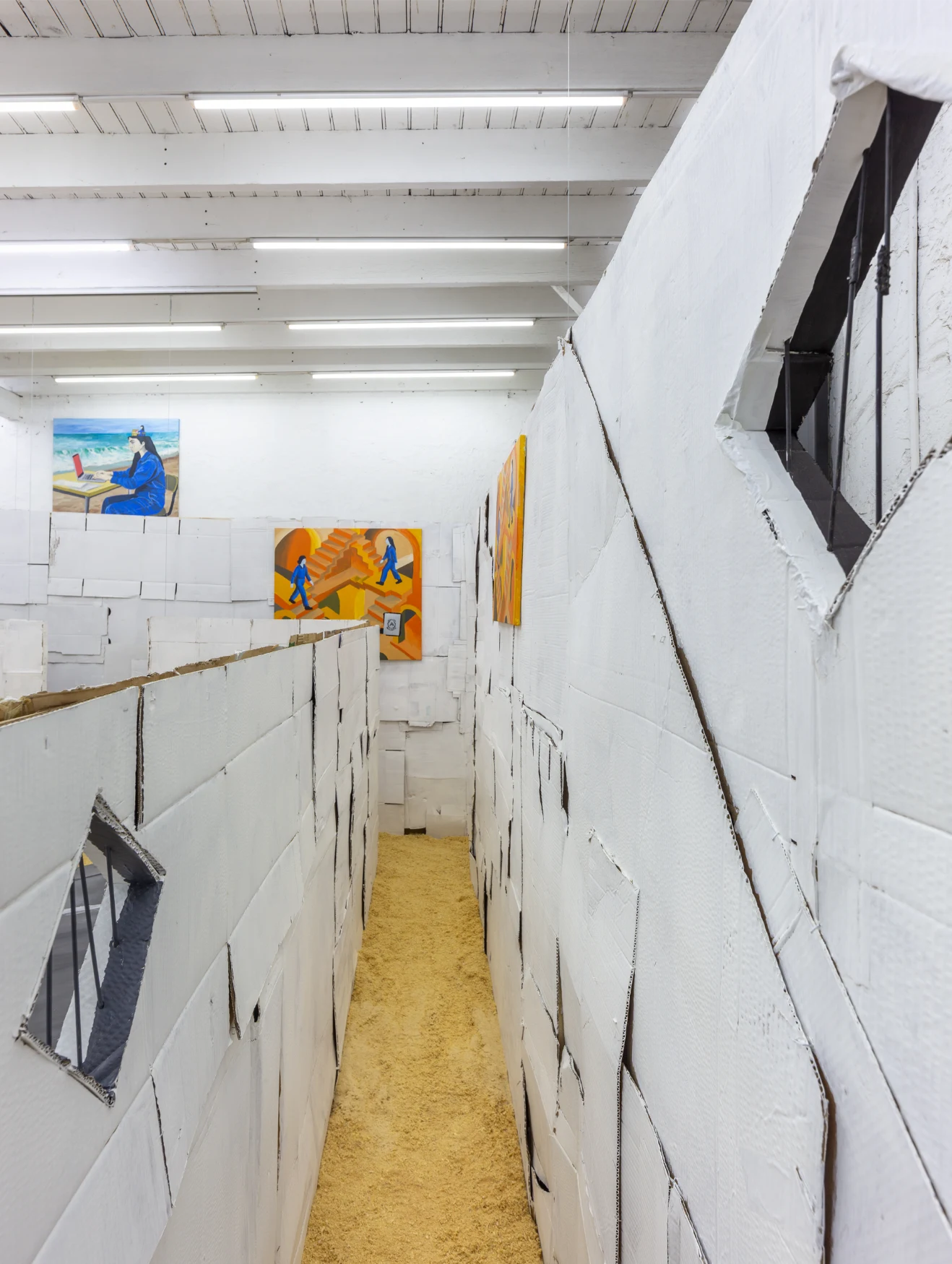
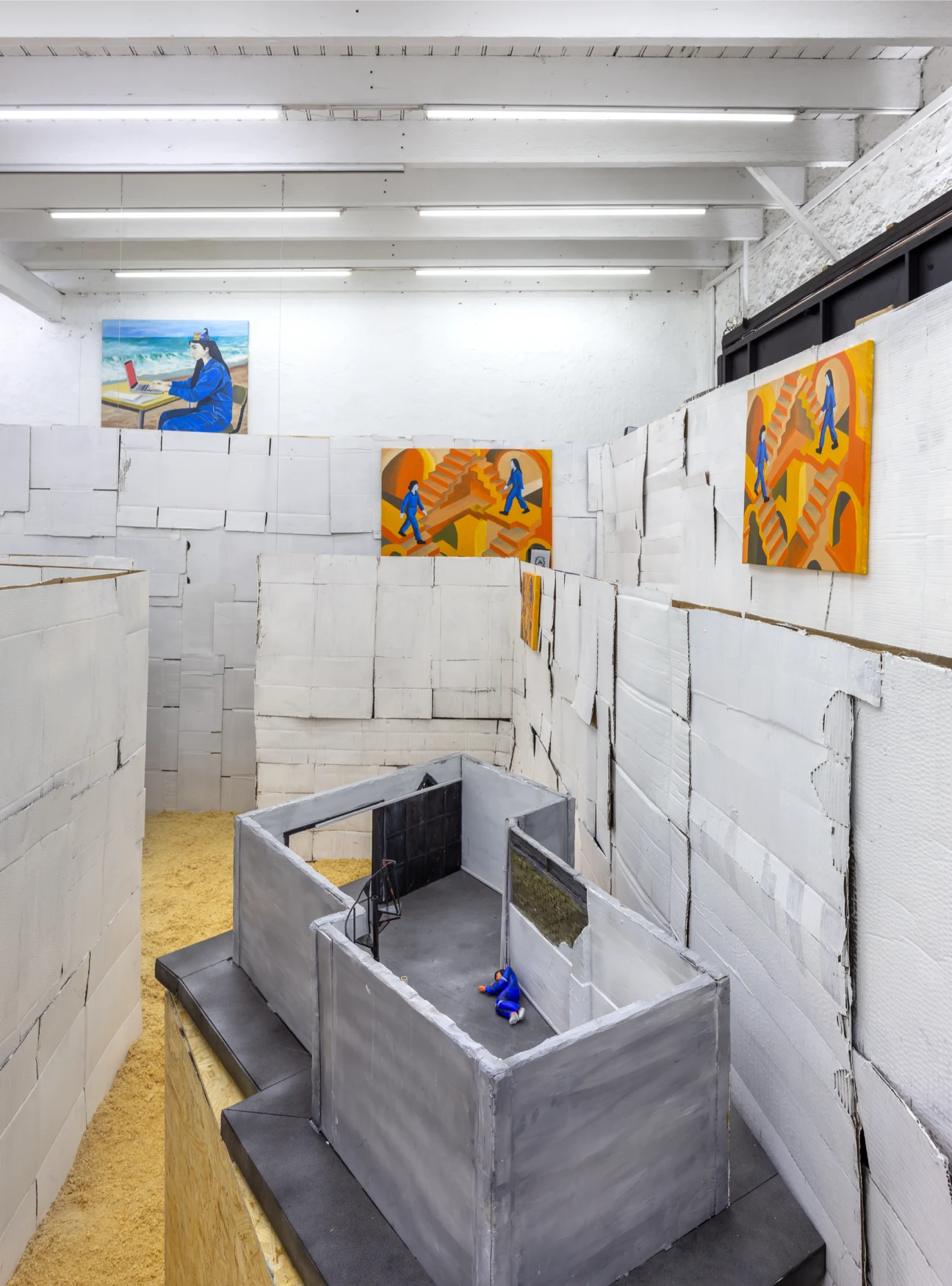
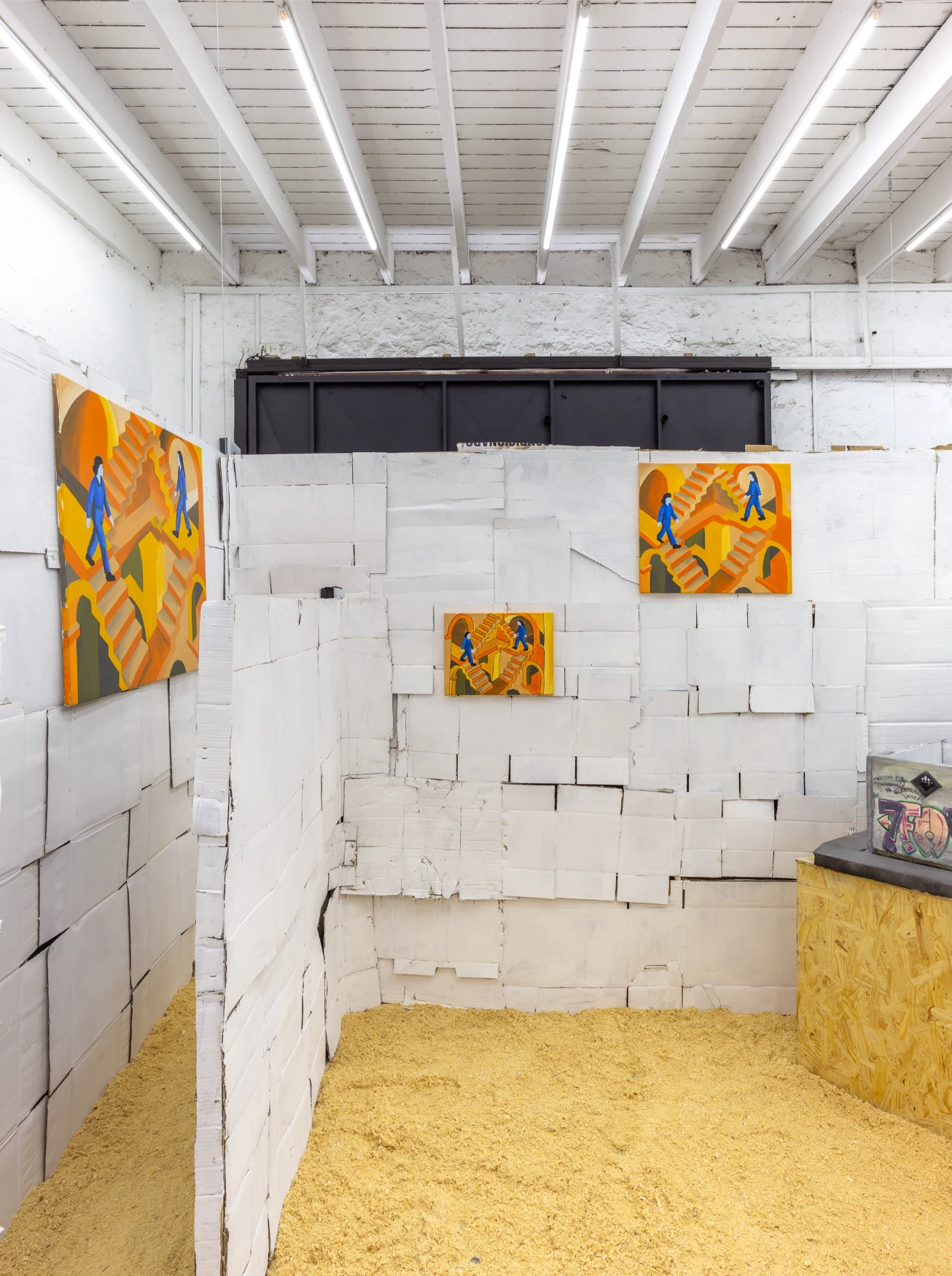
The intervention carried out in Sagrada Mercancía was born from these questions. On this occasion, an installation consisting of two actions was planned: the first was the construction, inside Sagrada Mercancía, of “galleries in process”, similar to the same space, like a Russian doll. The second was to replenish these galleries with works dealing with the theme of non-work and leisure. Thus, the gallery that was built inside the gallery was not the central theme of the exhibition, but the work needed to raise it again and again: women, artists as workers, in the most literal sense. In this way, the galleries inside the gallery continued to replicate inward, time and again, in an unfinished loop, a likeness of life itself. A kind of black comedy, where we could see ourselves working for life and living for work.
Text by Luis Montes