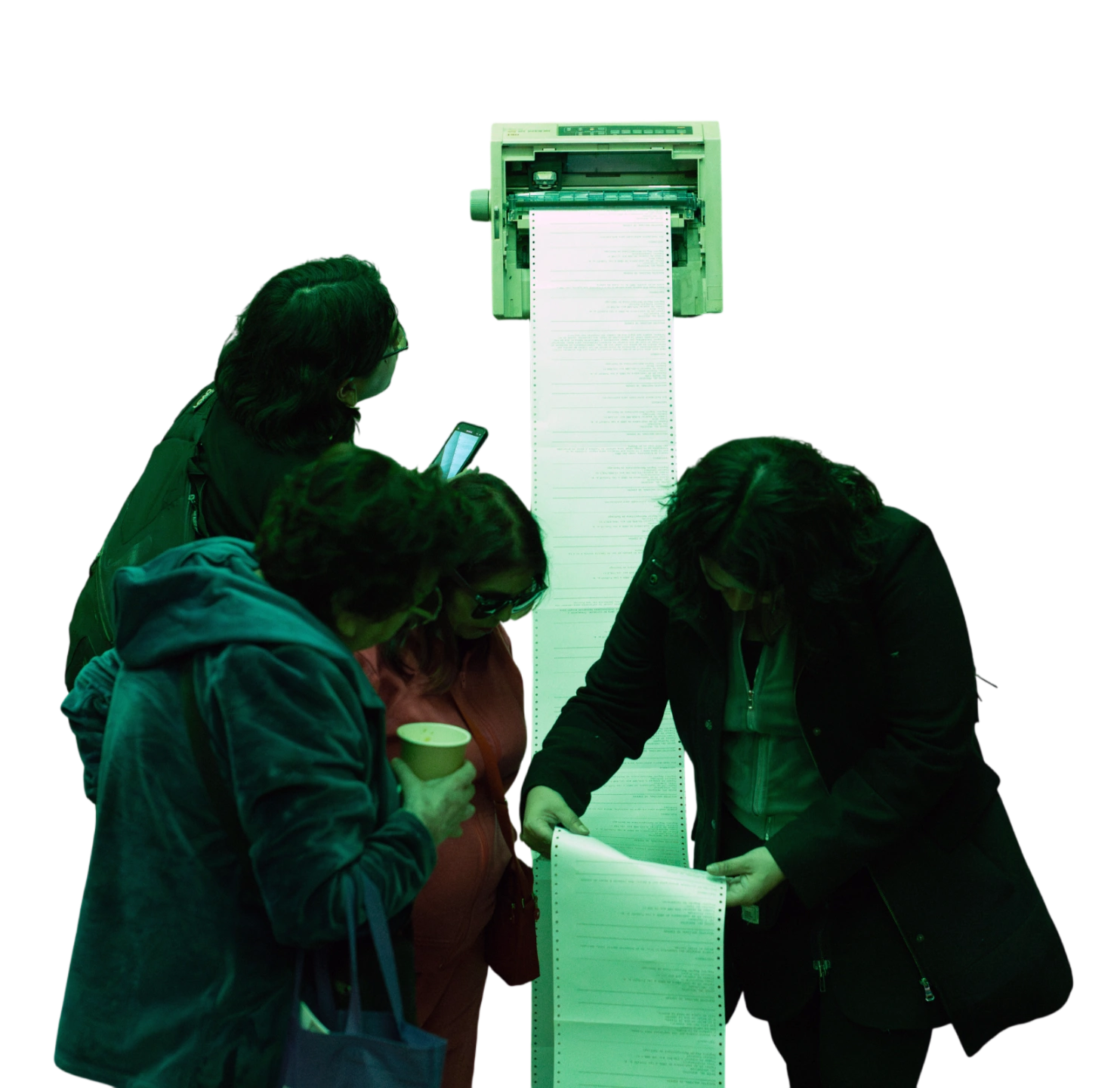
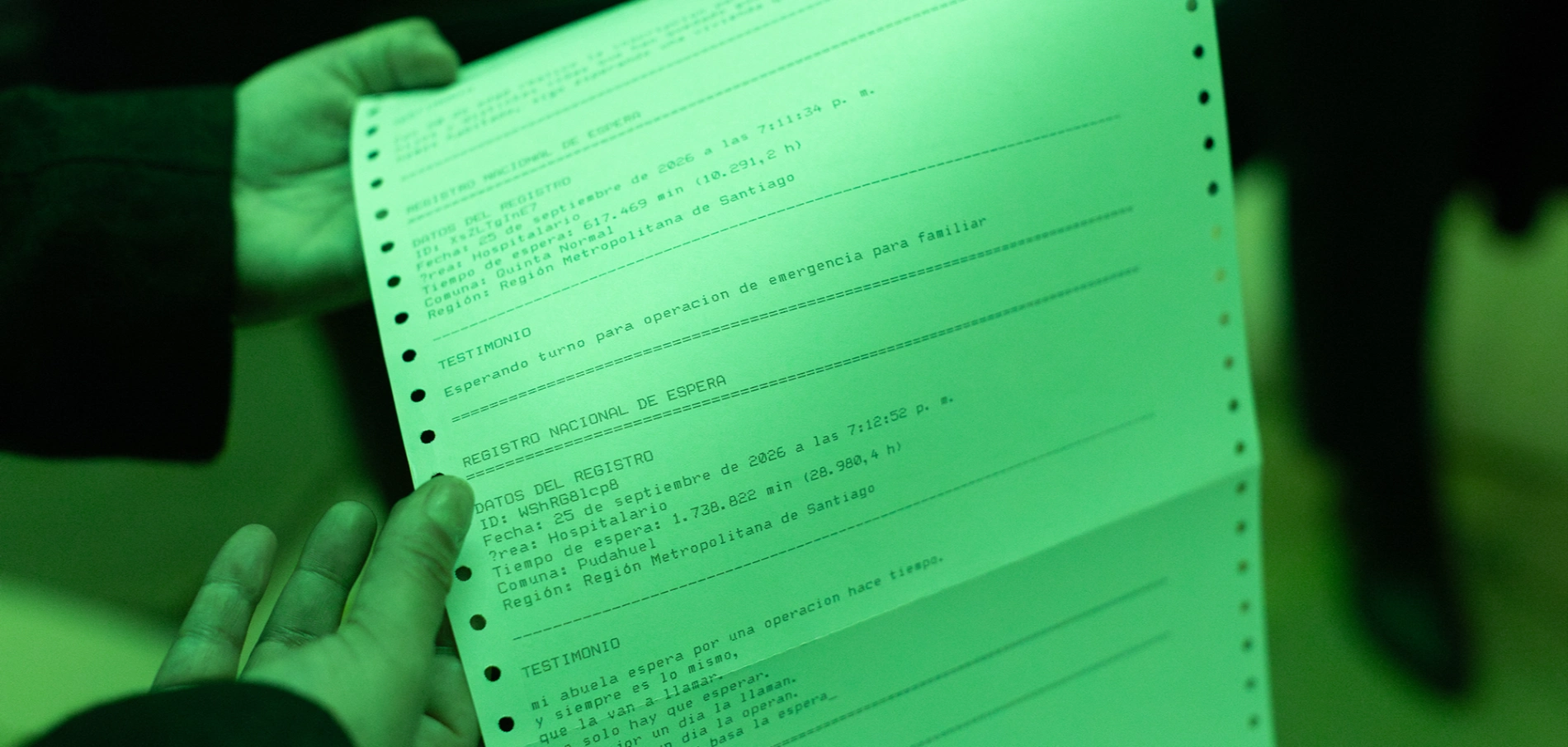
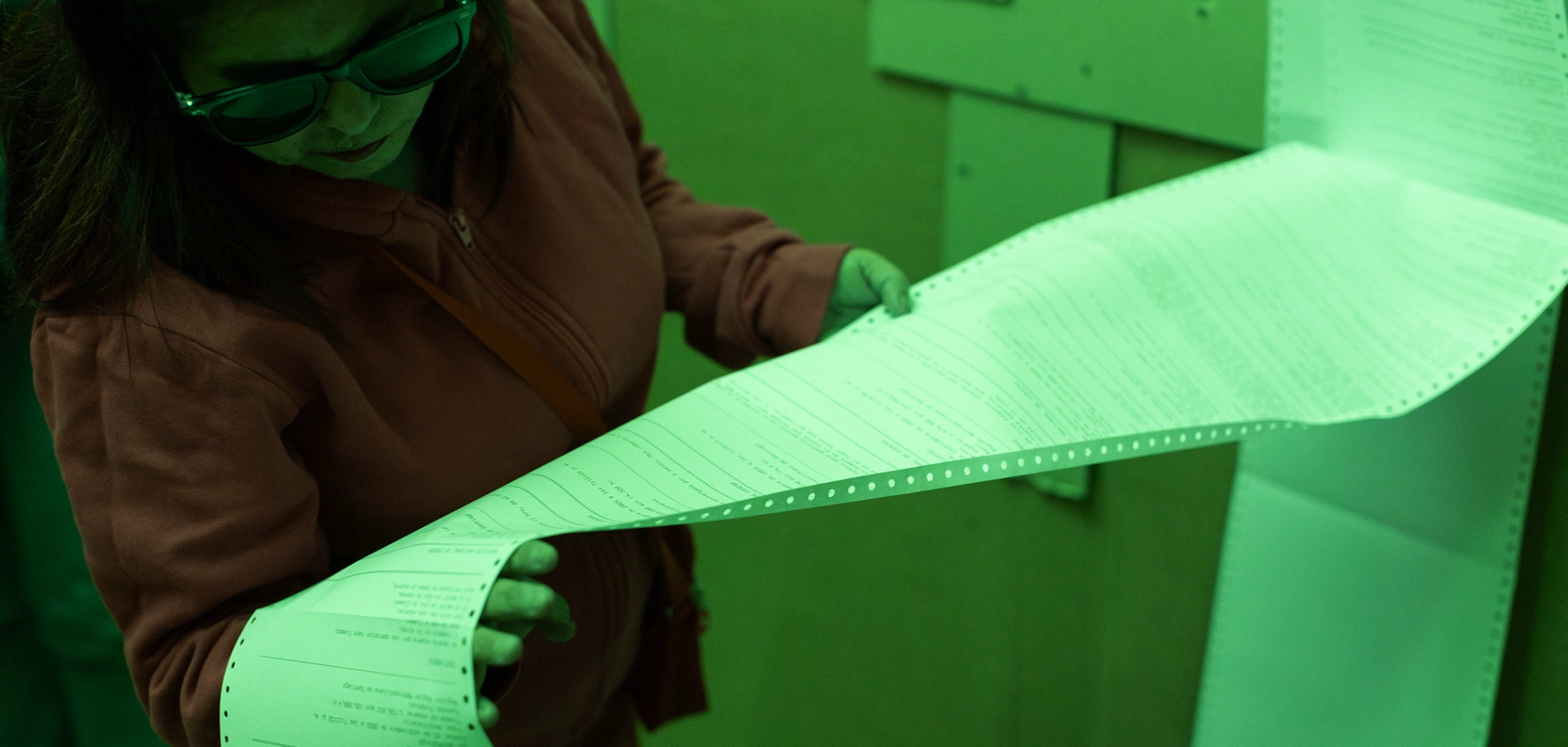
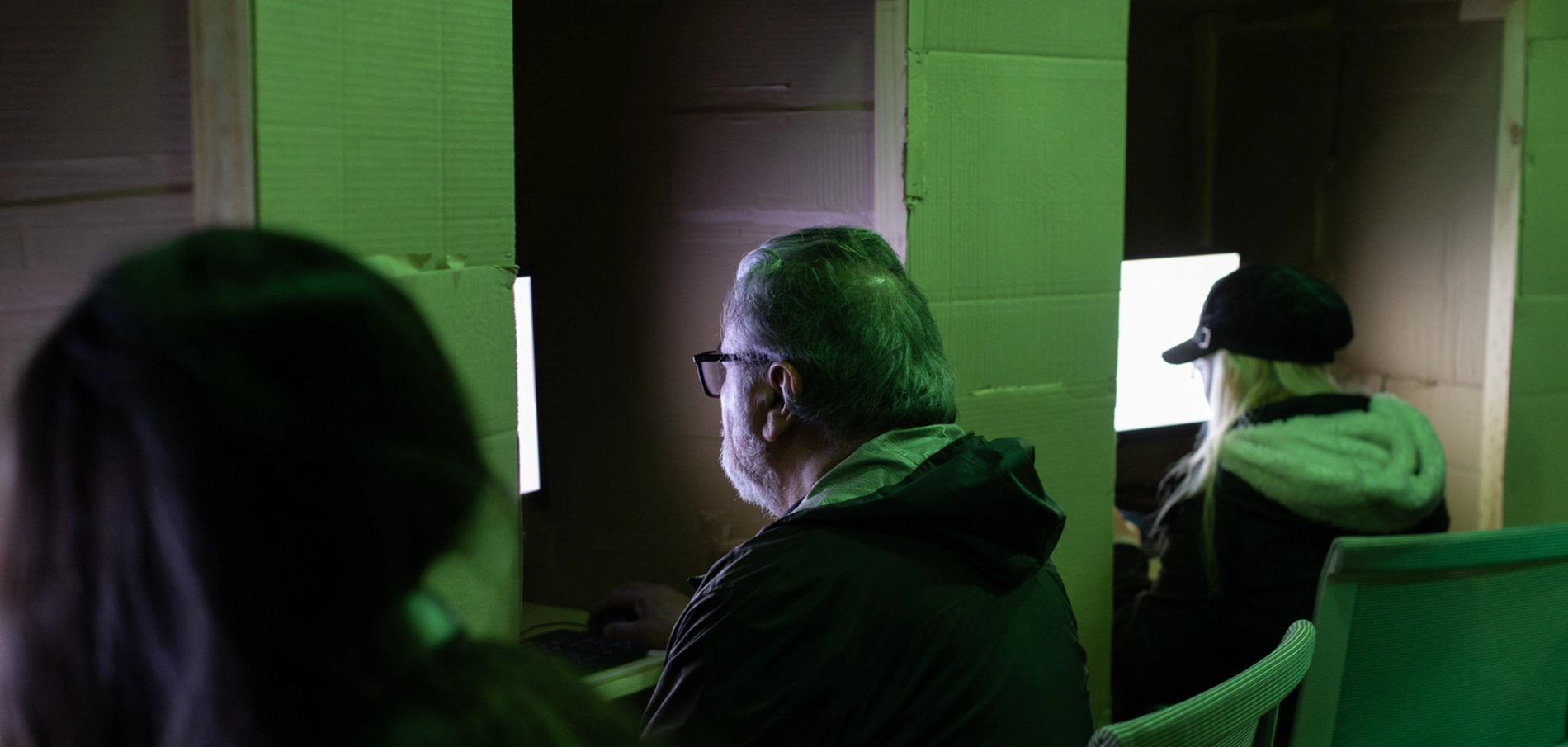
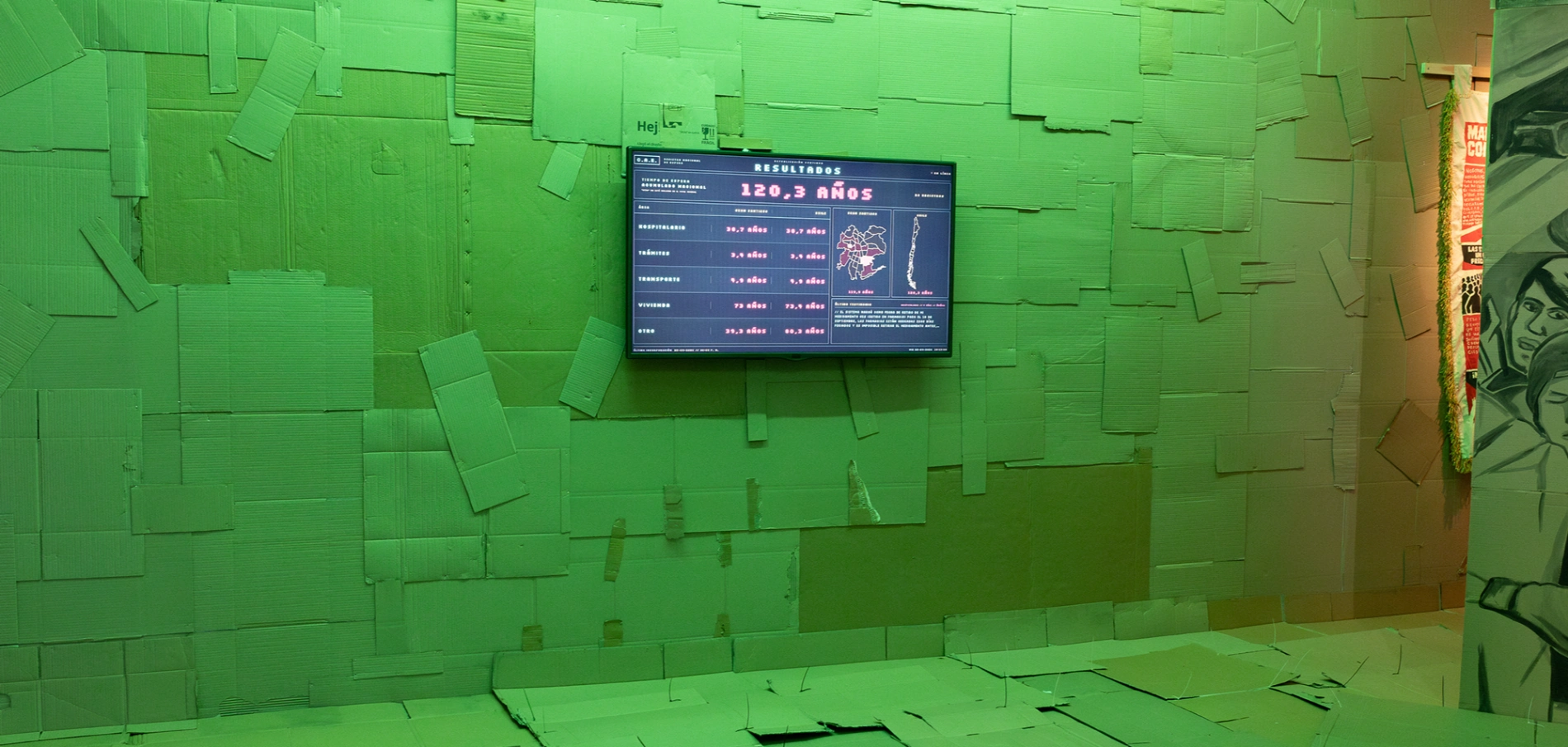
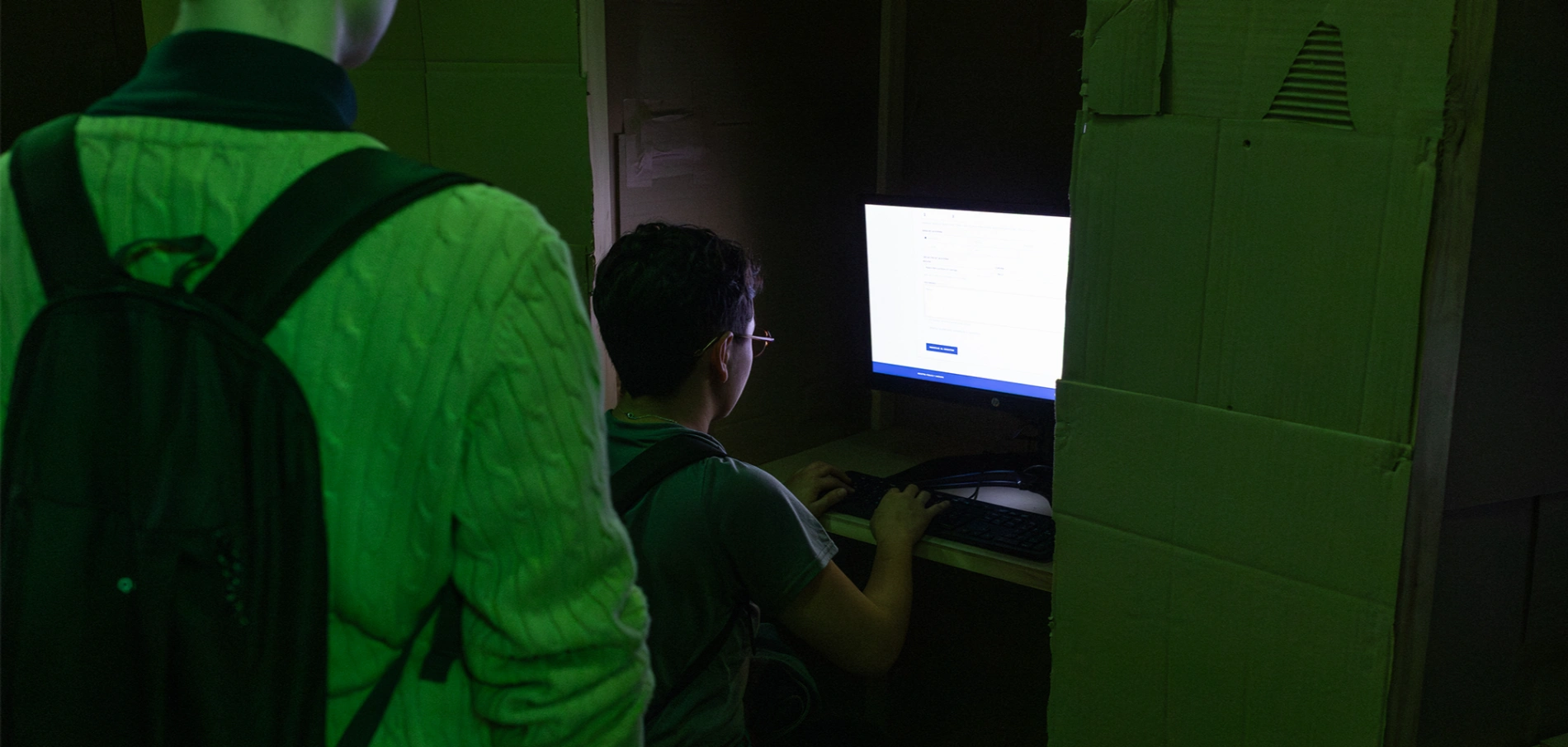
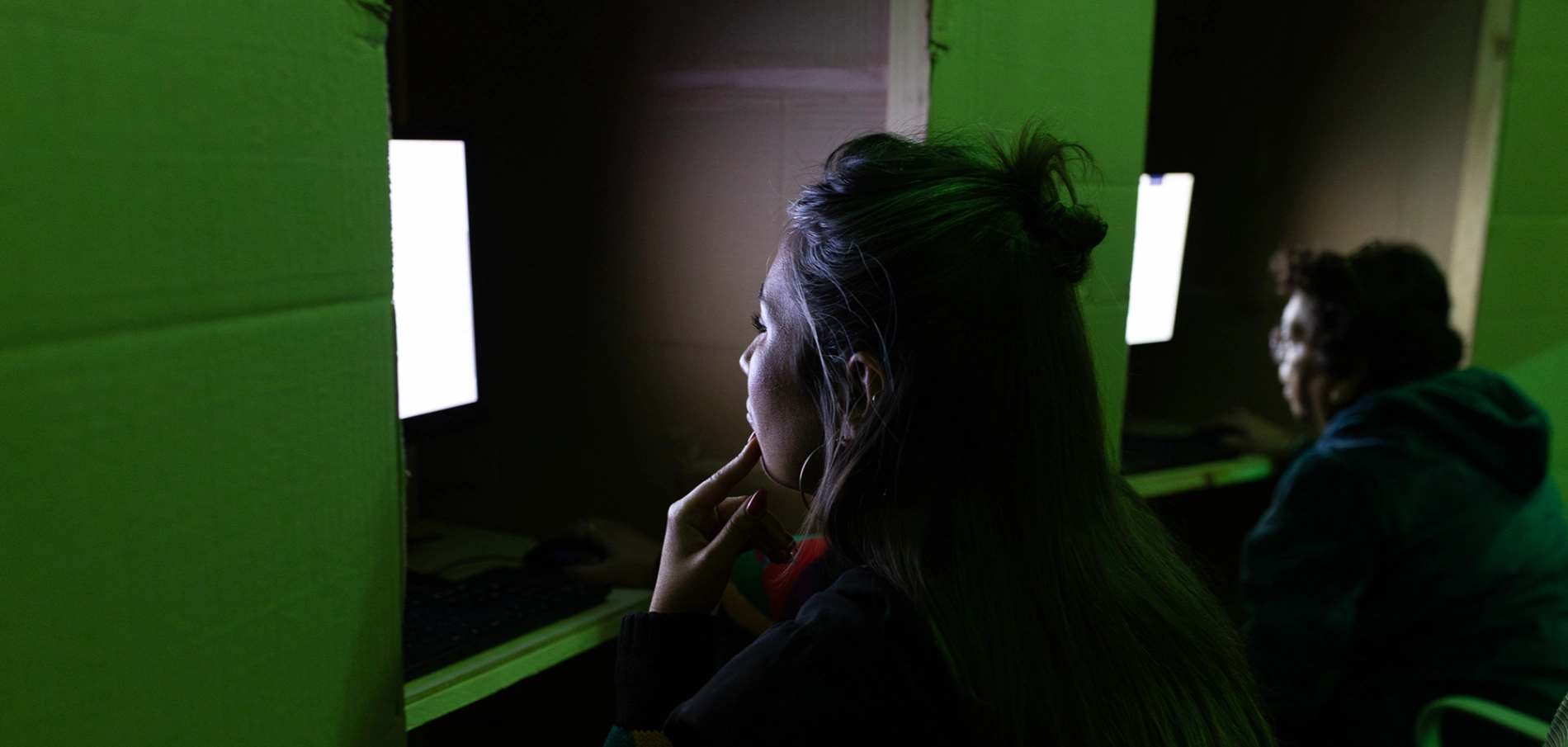
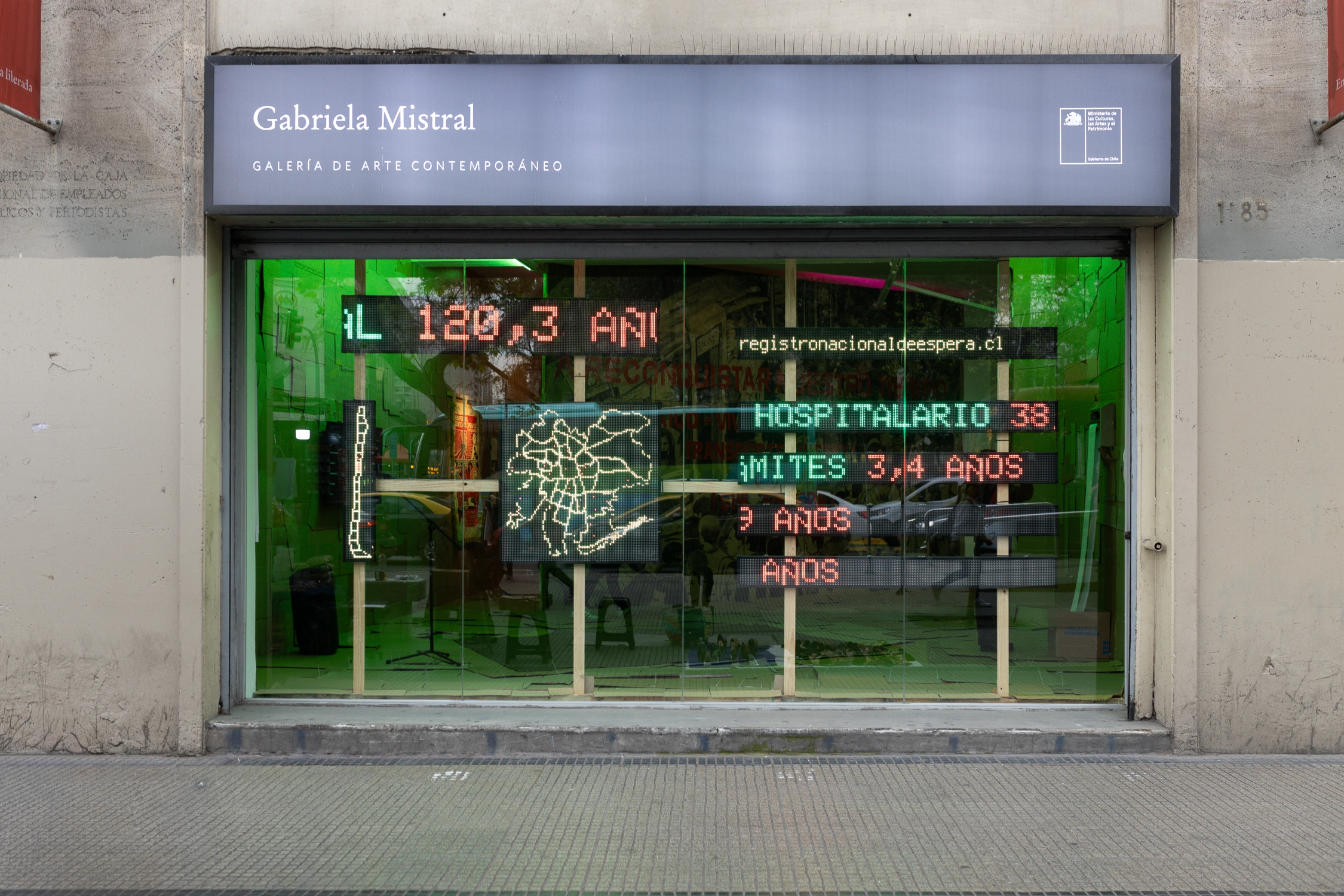
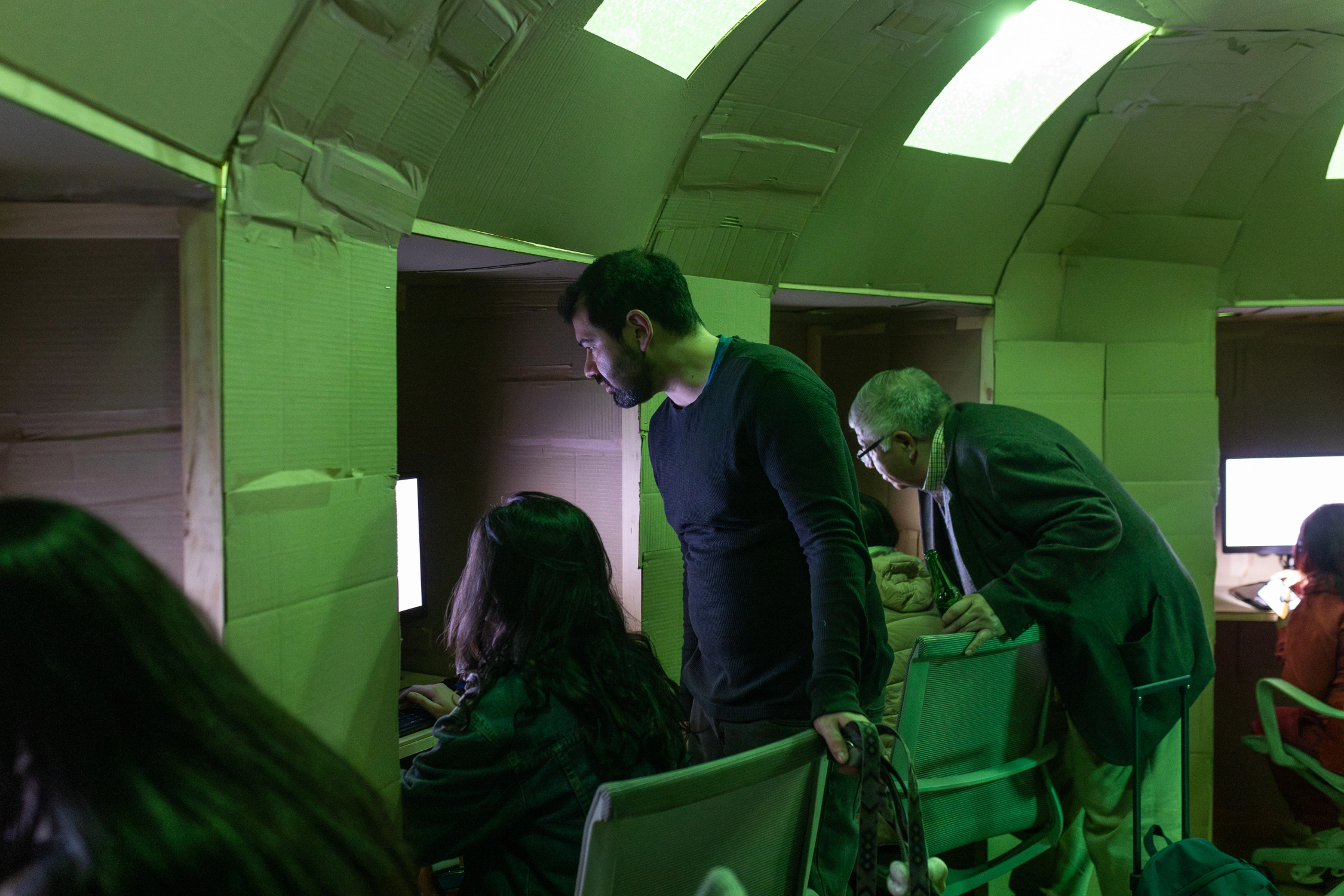
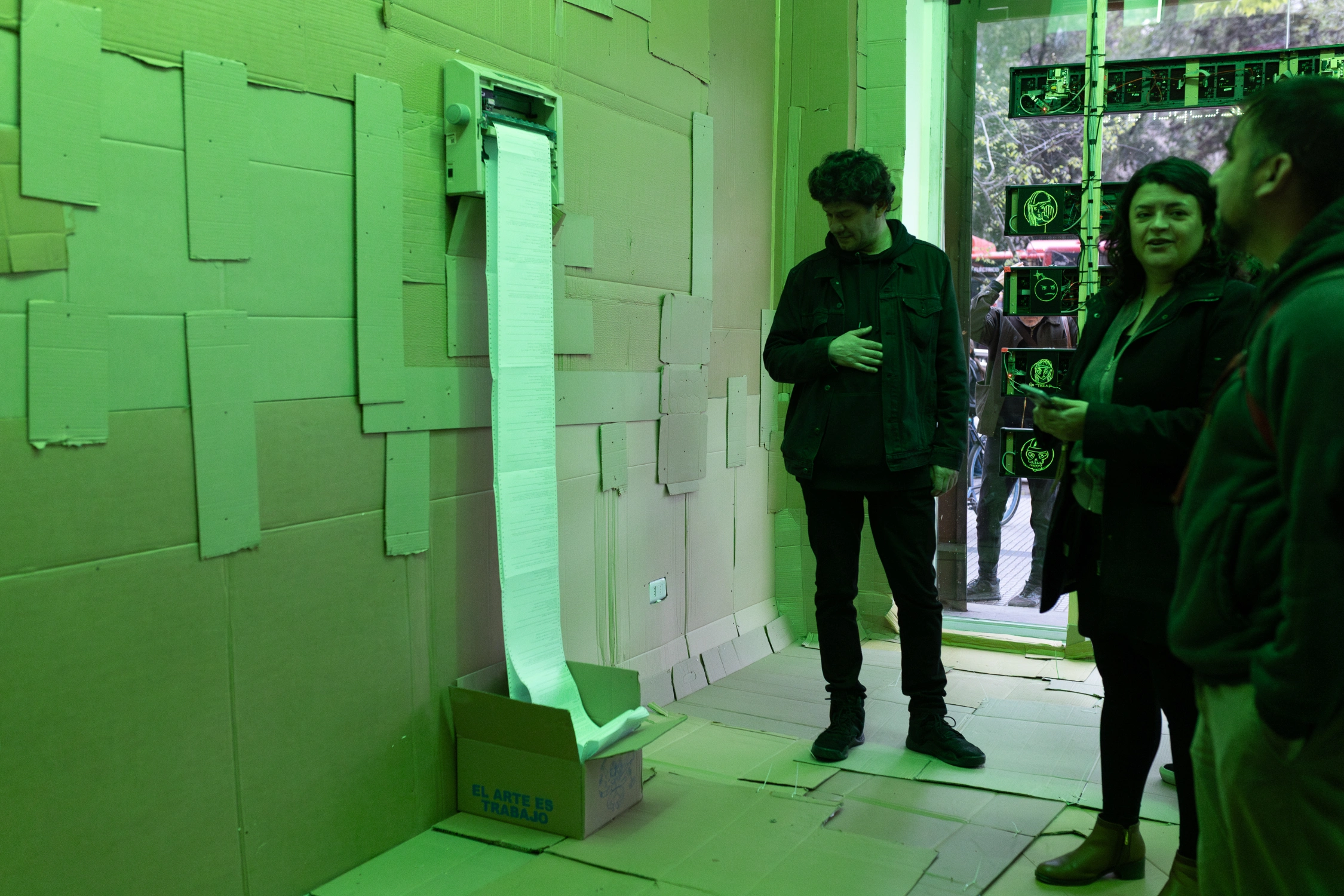
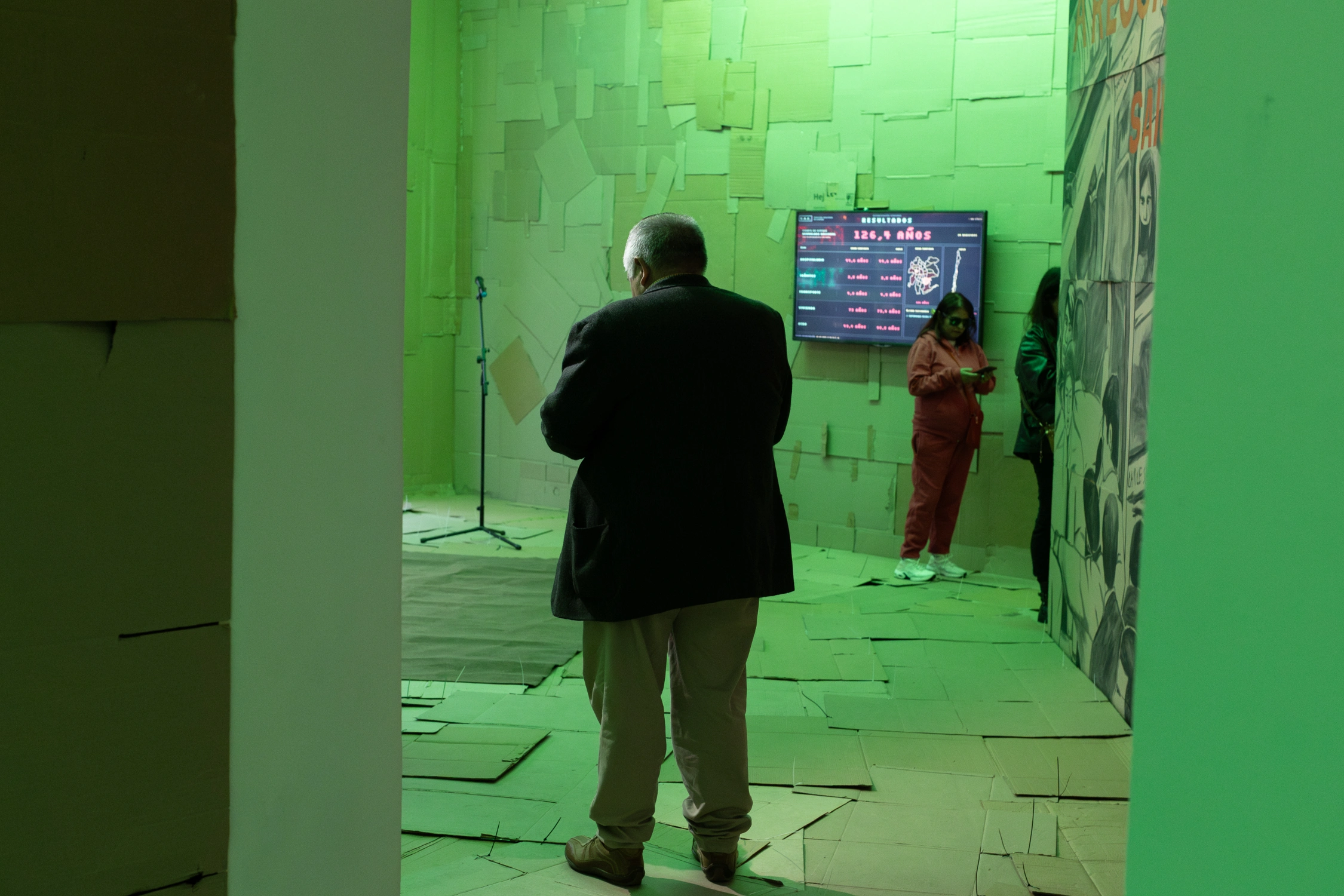
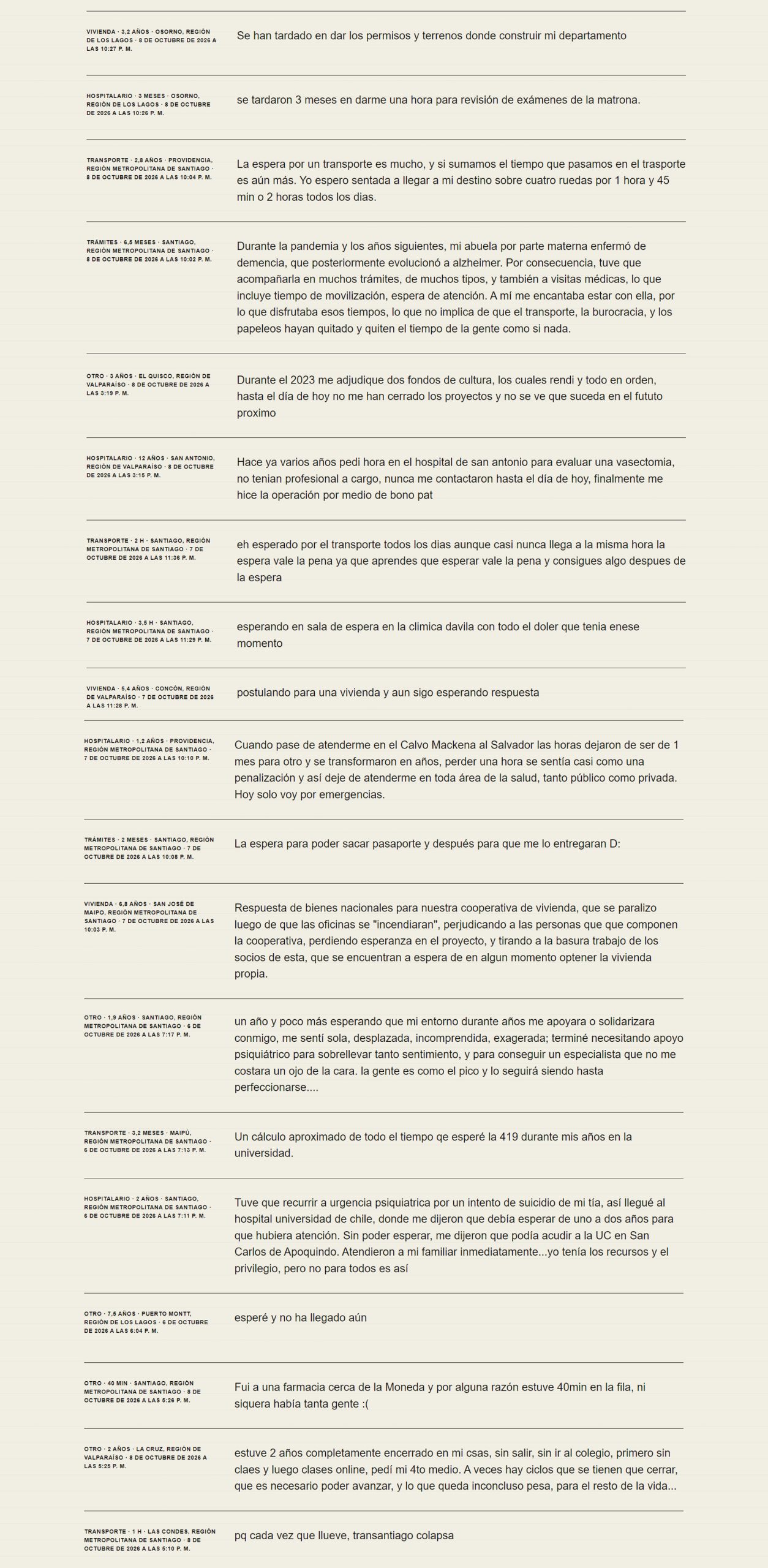
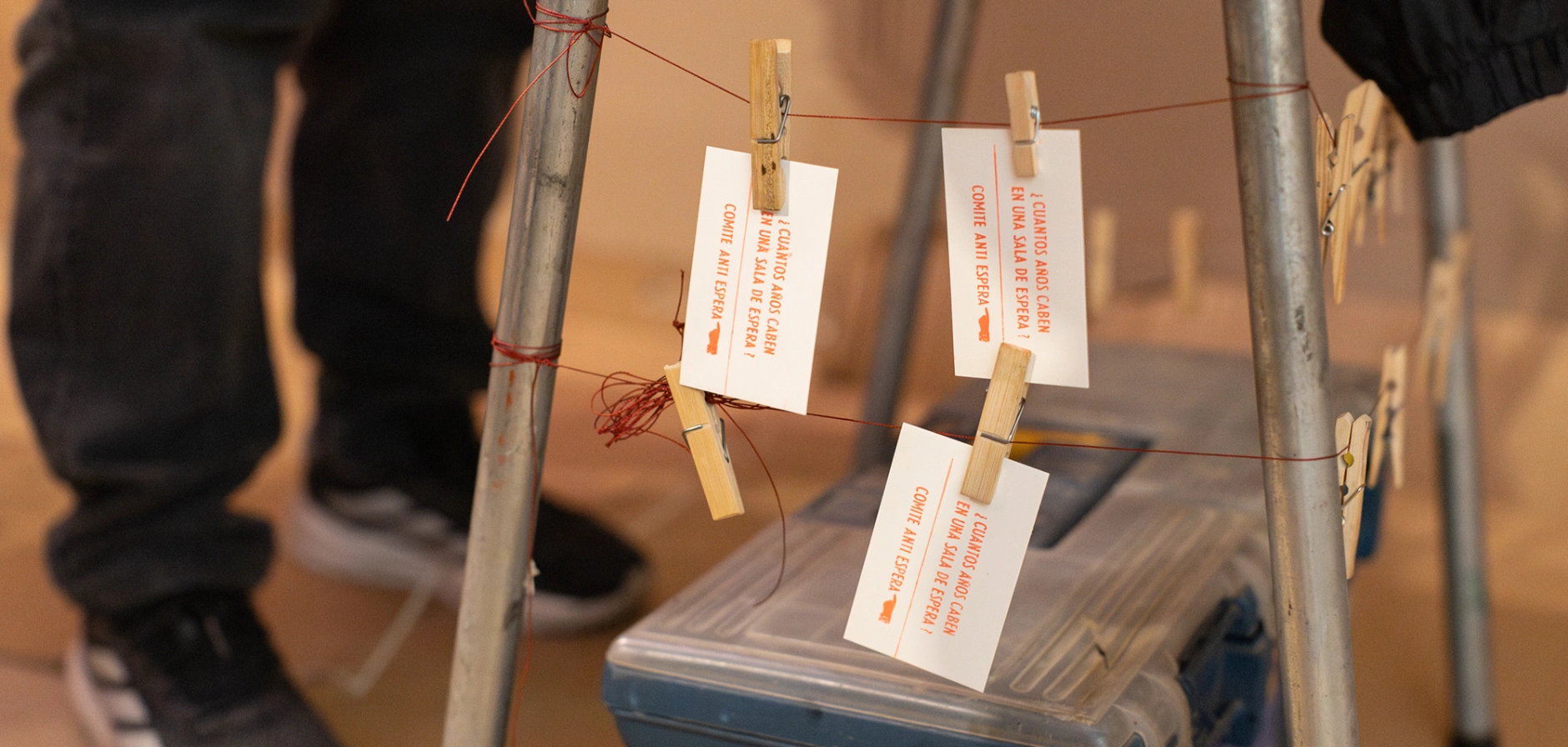
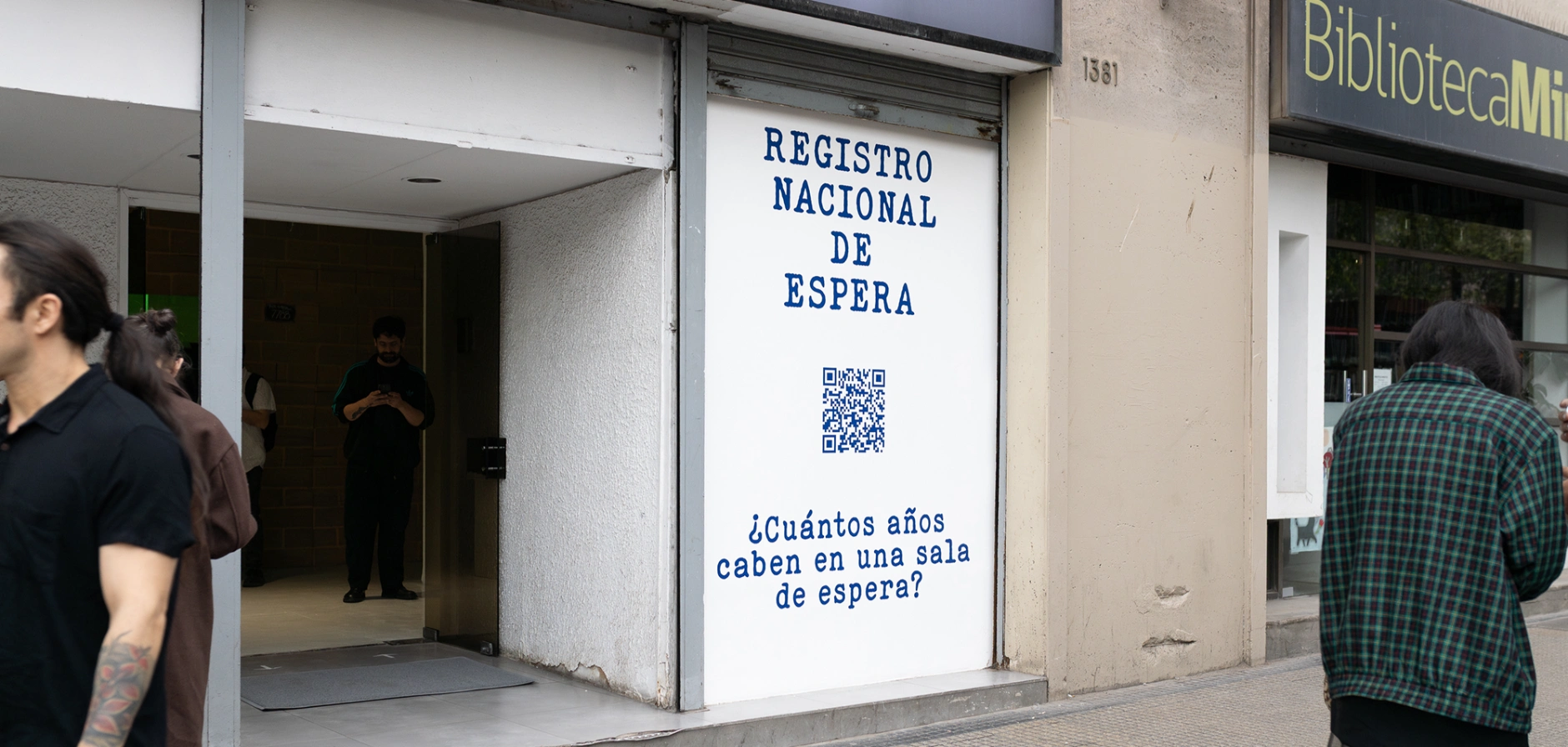
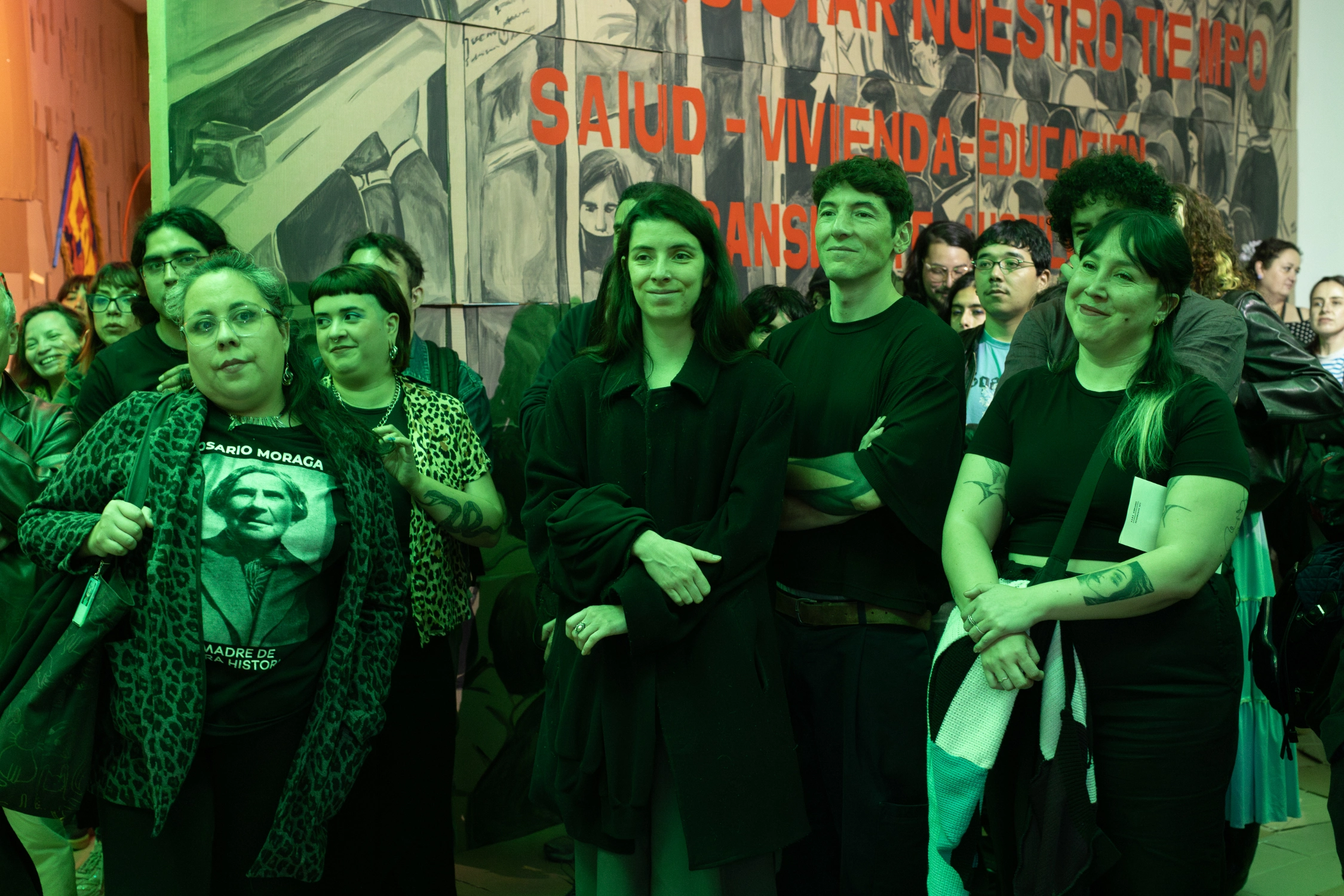
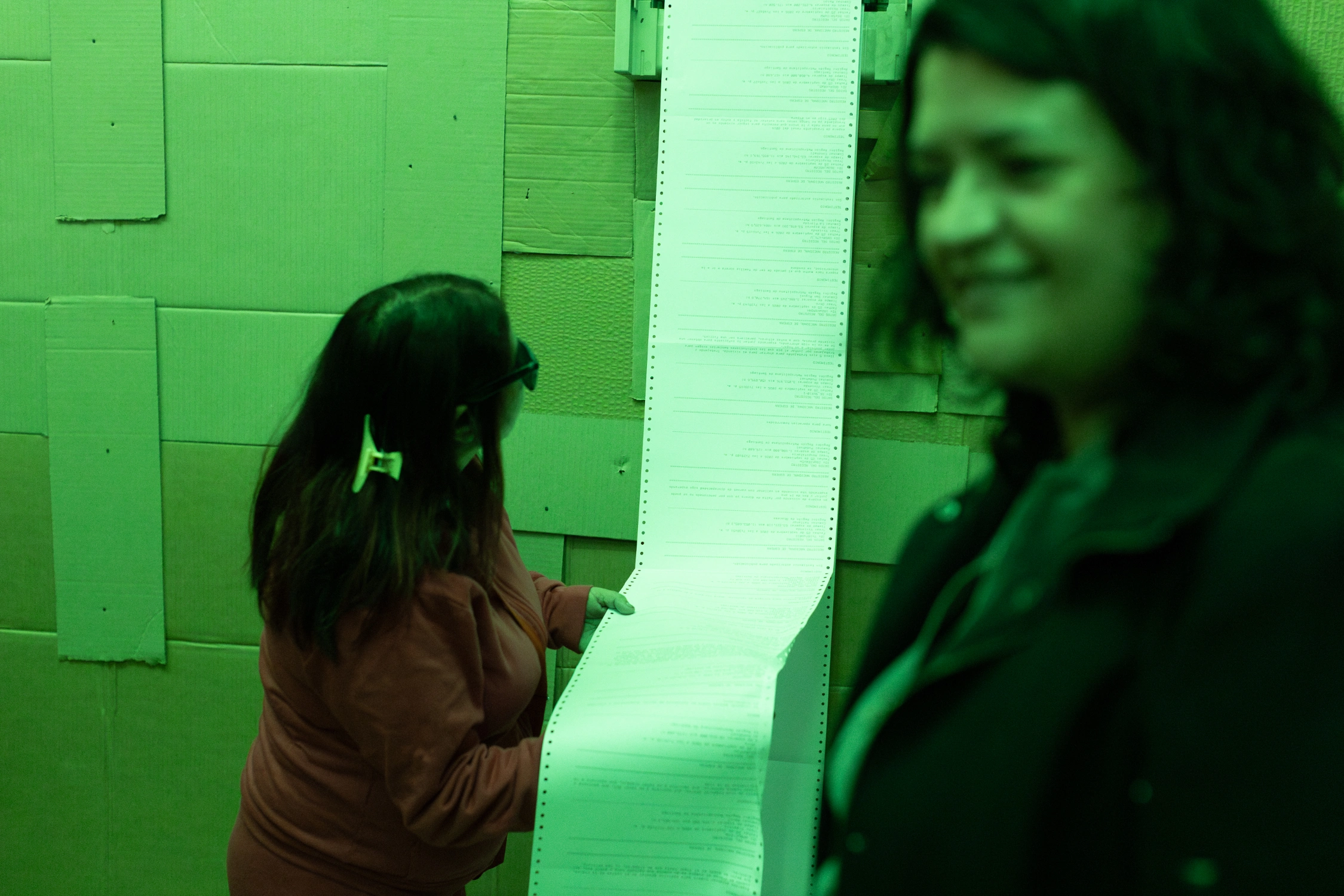
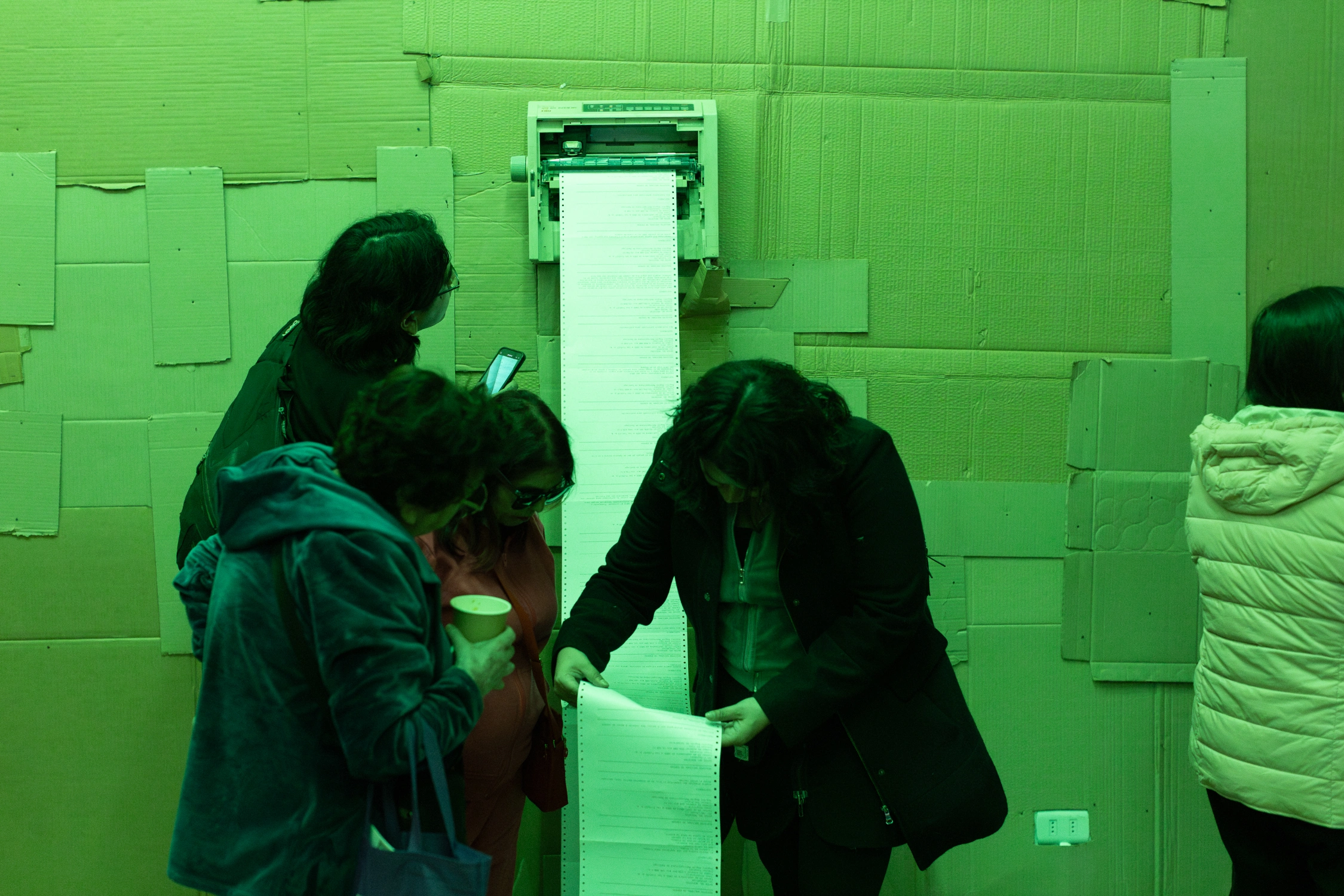
There is a time that does not appear in any official statistics. Right now it’s piling up forming a queue, in a waiting room or behind a wicket that is never open when needed. “The National Waiting Register” is based on this daily evidence, this bureaucratic control of our lives, from which, with your help, we have built a fictitious institution, although in real working conditions: a digital machine whose purpose is to receive data, accumulate figures and classify territorially the time lost by thousands of people.
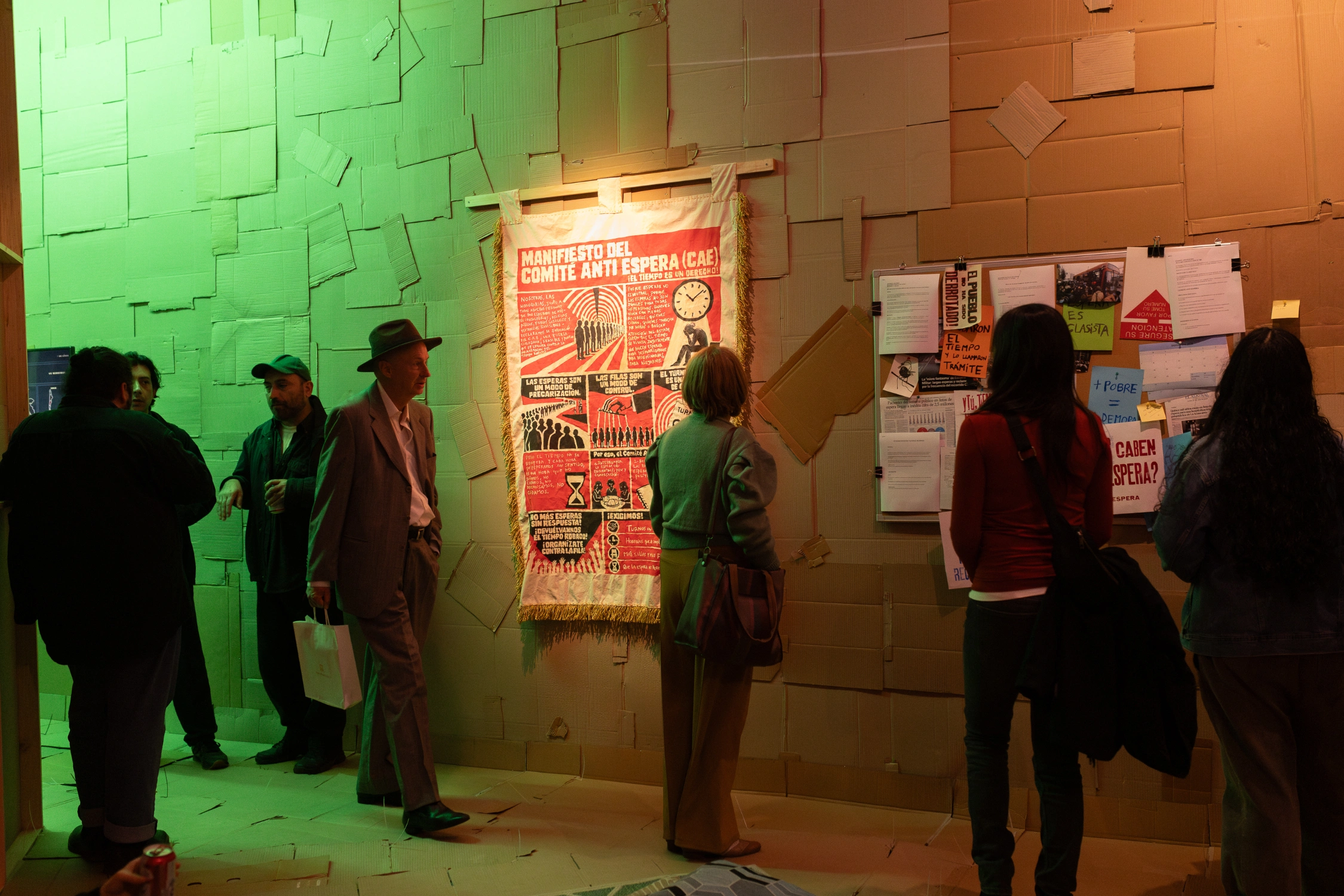
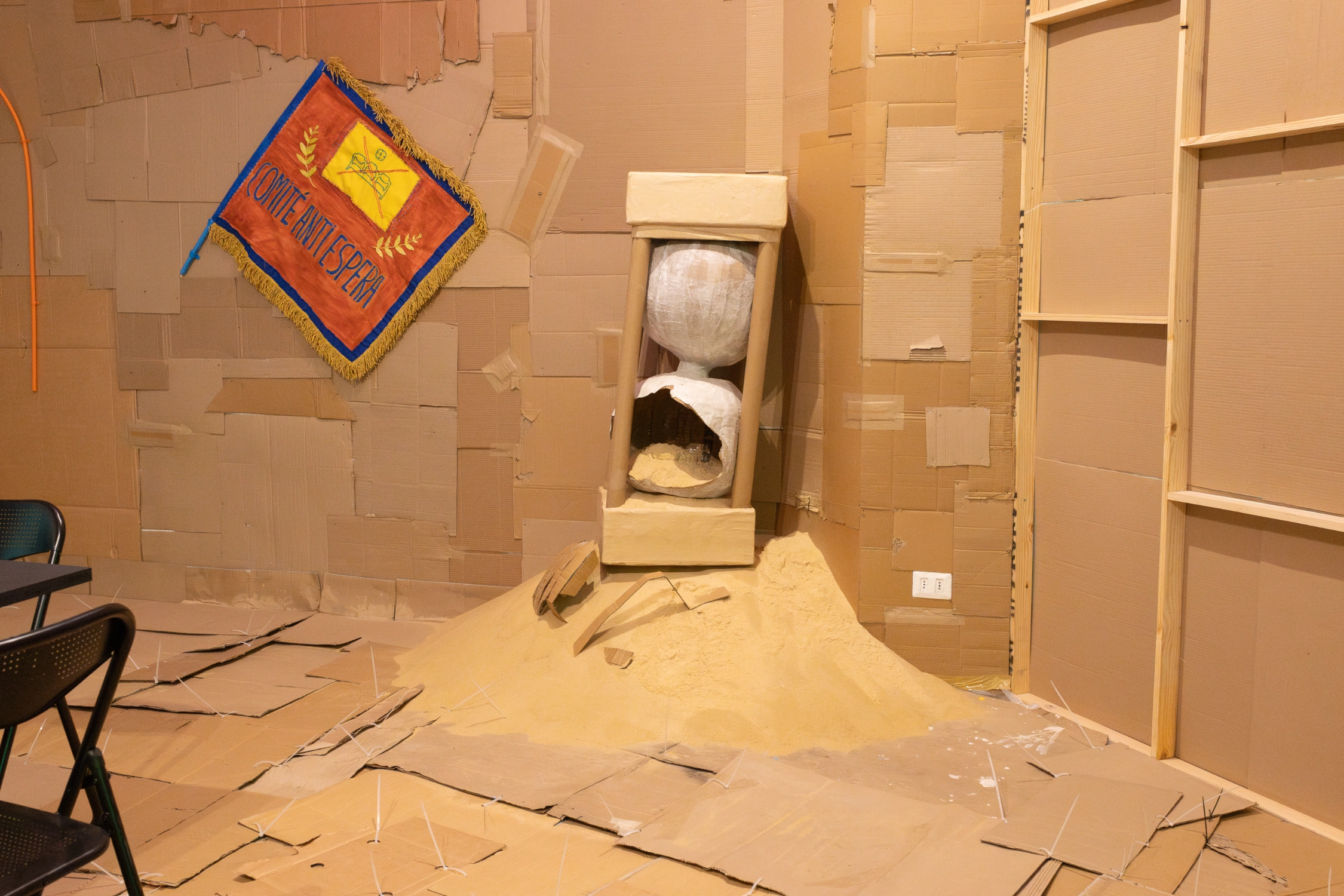
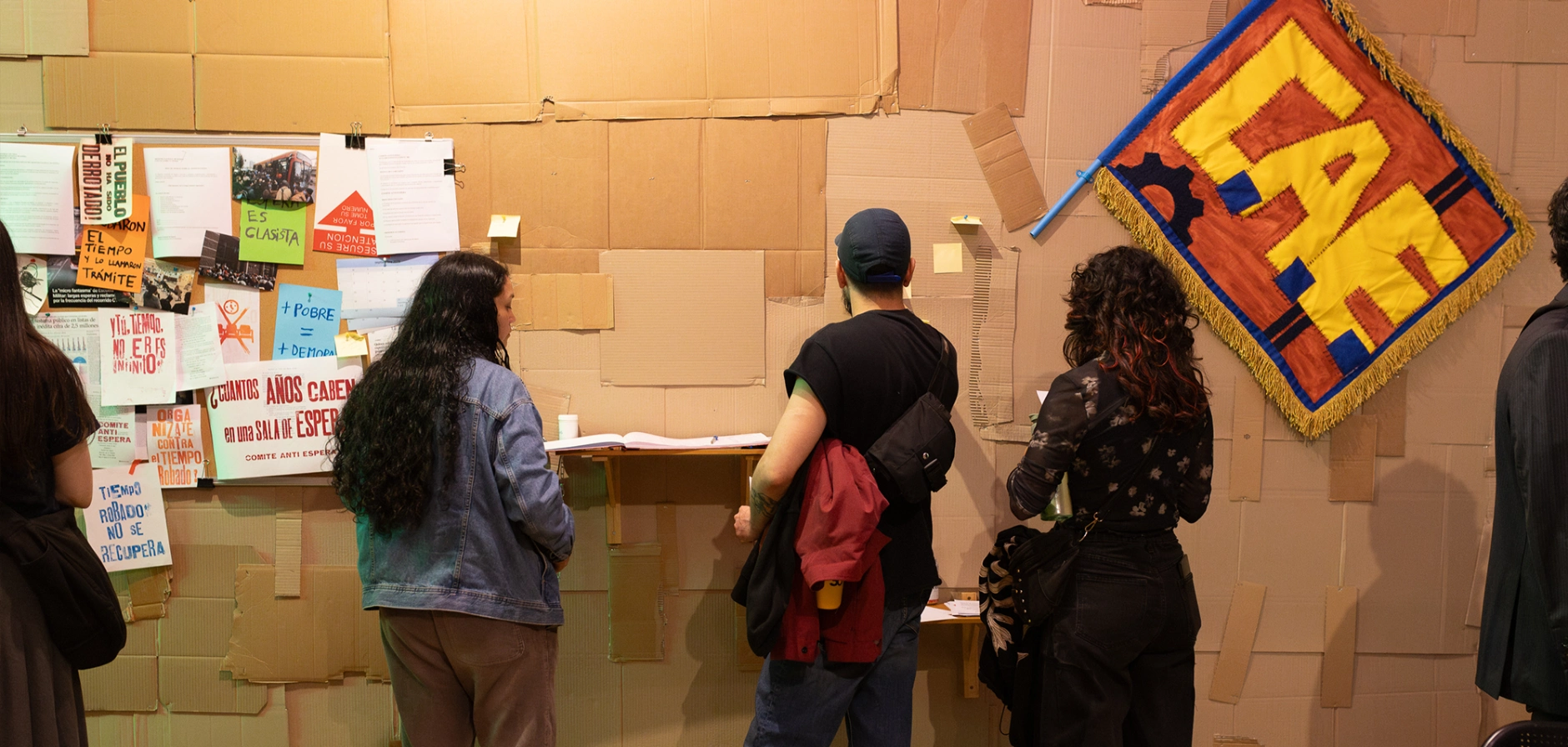
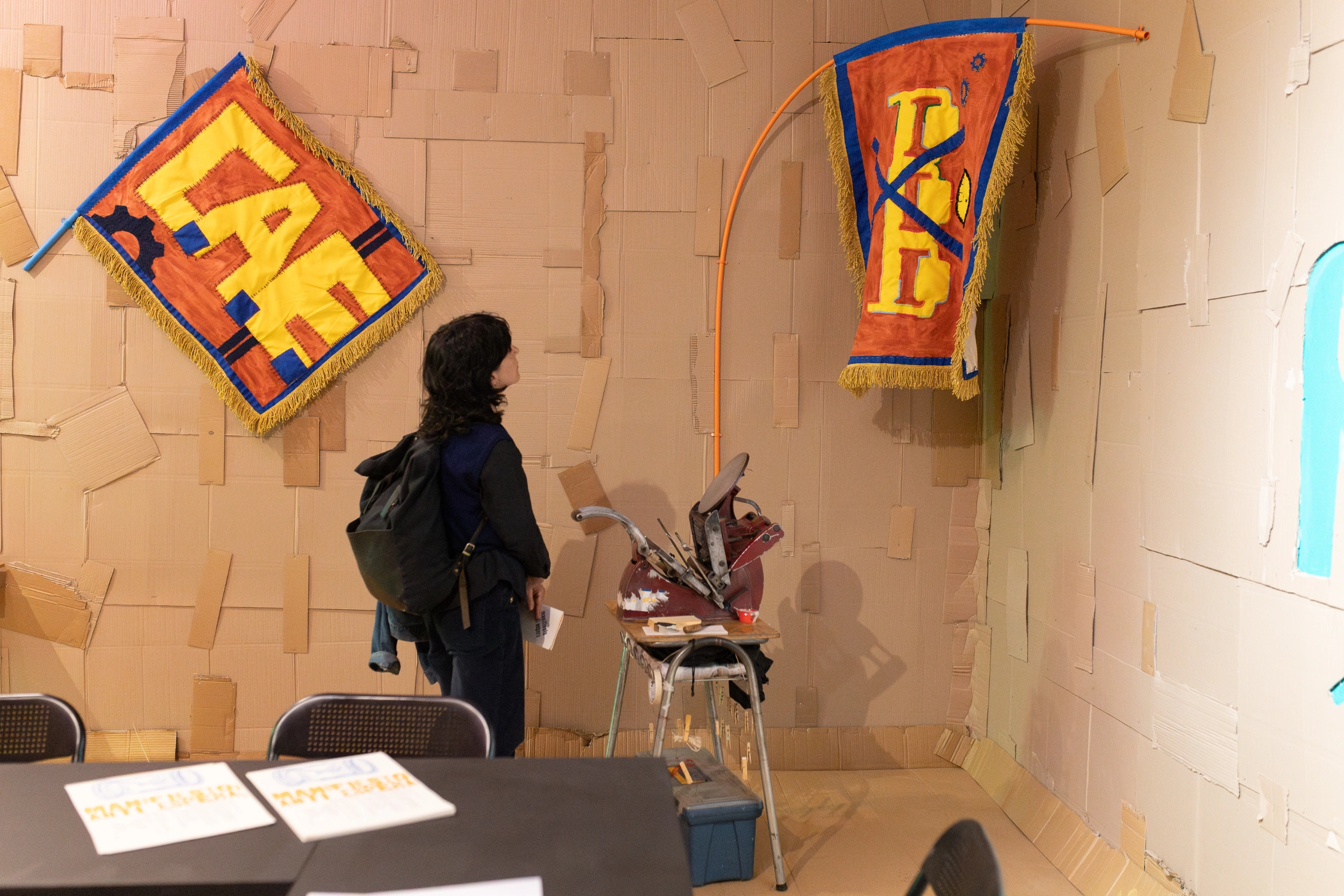
The National Waiting Register arises from meetings of the Anti-Waiting Committee (C.A.E.), a performance union promoted by the Honorarias collective in 2025, where waiting was addressed as a social and political phenomenon. Waiting works as a form of temporal control rooted in capitalism: those with fewer resources wait longer, whether for public health care, public transportation, access to one’s own home, or studies. In the face of Mark Fisher’s diagnosis of a capitalist realism that manages our working hours and also our imagination of the future, the artwork offers no consolation or paralyzing denunciation. It proposes a political operation: turning an institutional fiction into real-use infrastructure, and that infrastructure into a collective question.
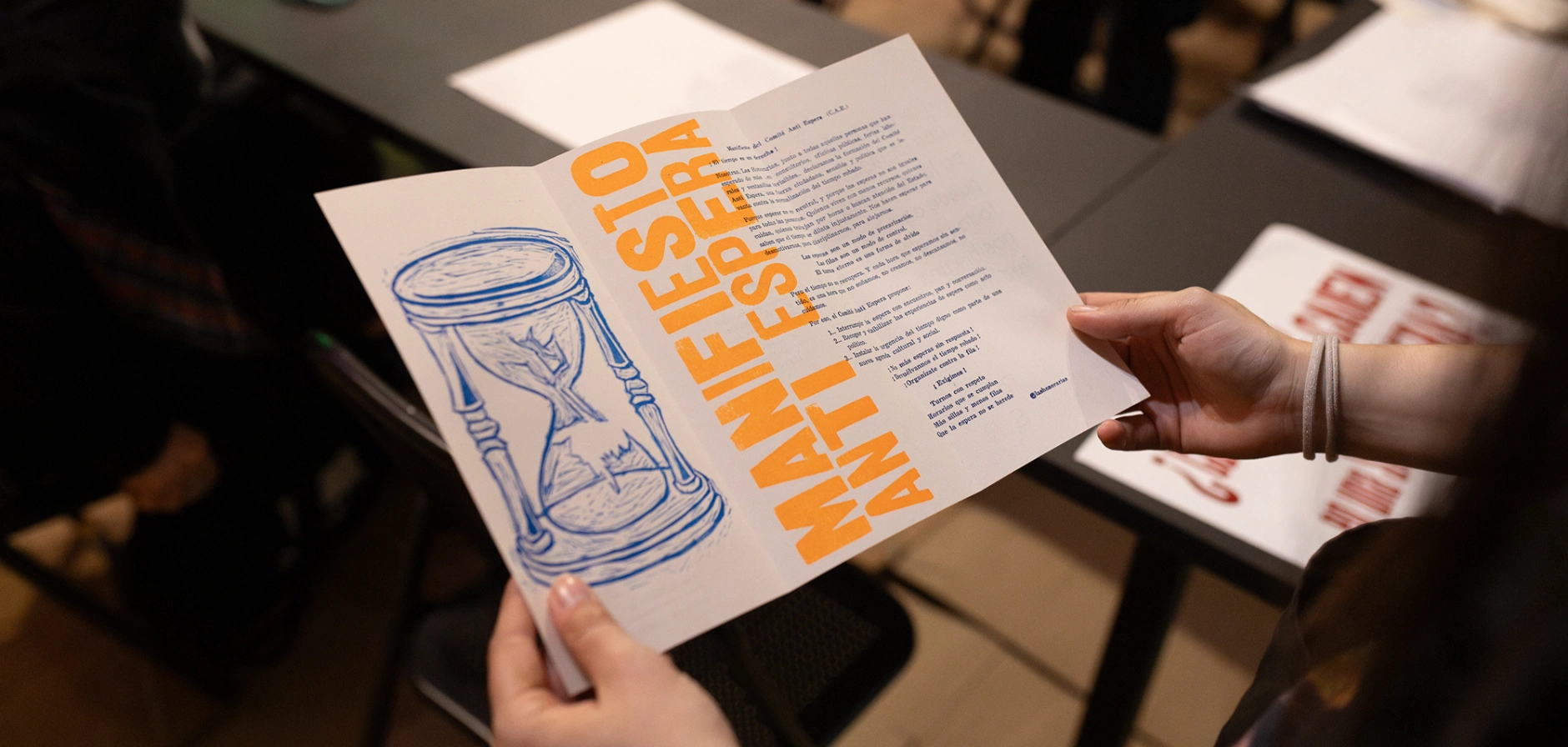
Capital has our entire existence at its disposal: producing, consuming and, on its least visible side, waiting. Even the time that is not explicitly work (queuing, waiting for a medical hour, waiting for the bus, waiting your turn at the notary) is equally captured by the productive logic. Understanding waiting in this way is what allows, as the CAE manifesto puts it, to affirm that “waiting is a mode of precarisation” and that “the eternal turn-waiting is a form of forgetting”: waiting thus becomes a structural mechanism that organizes who is entitled to their own time and who is not.
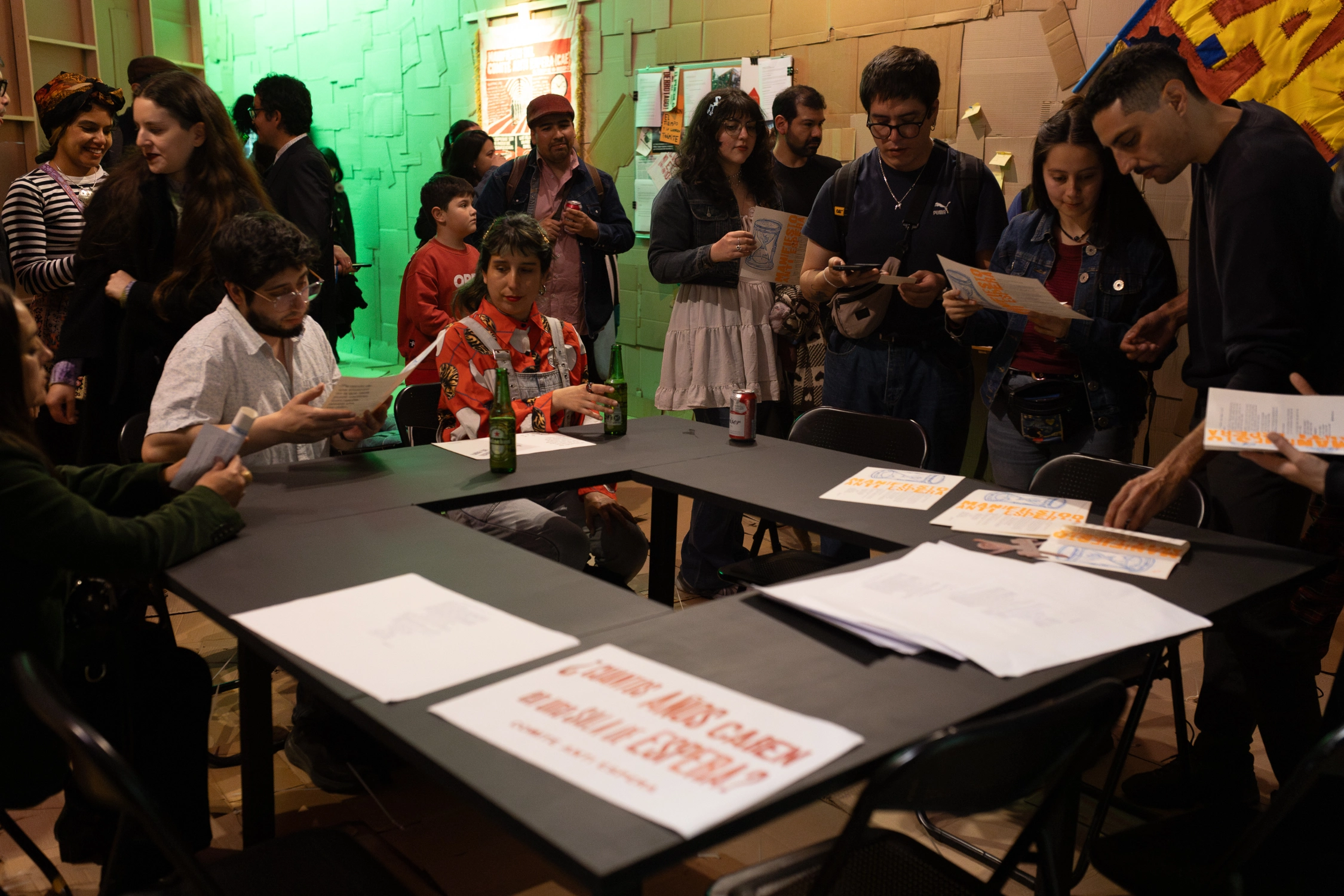
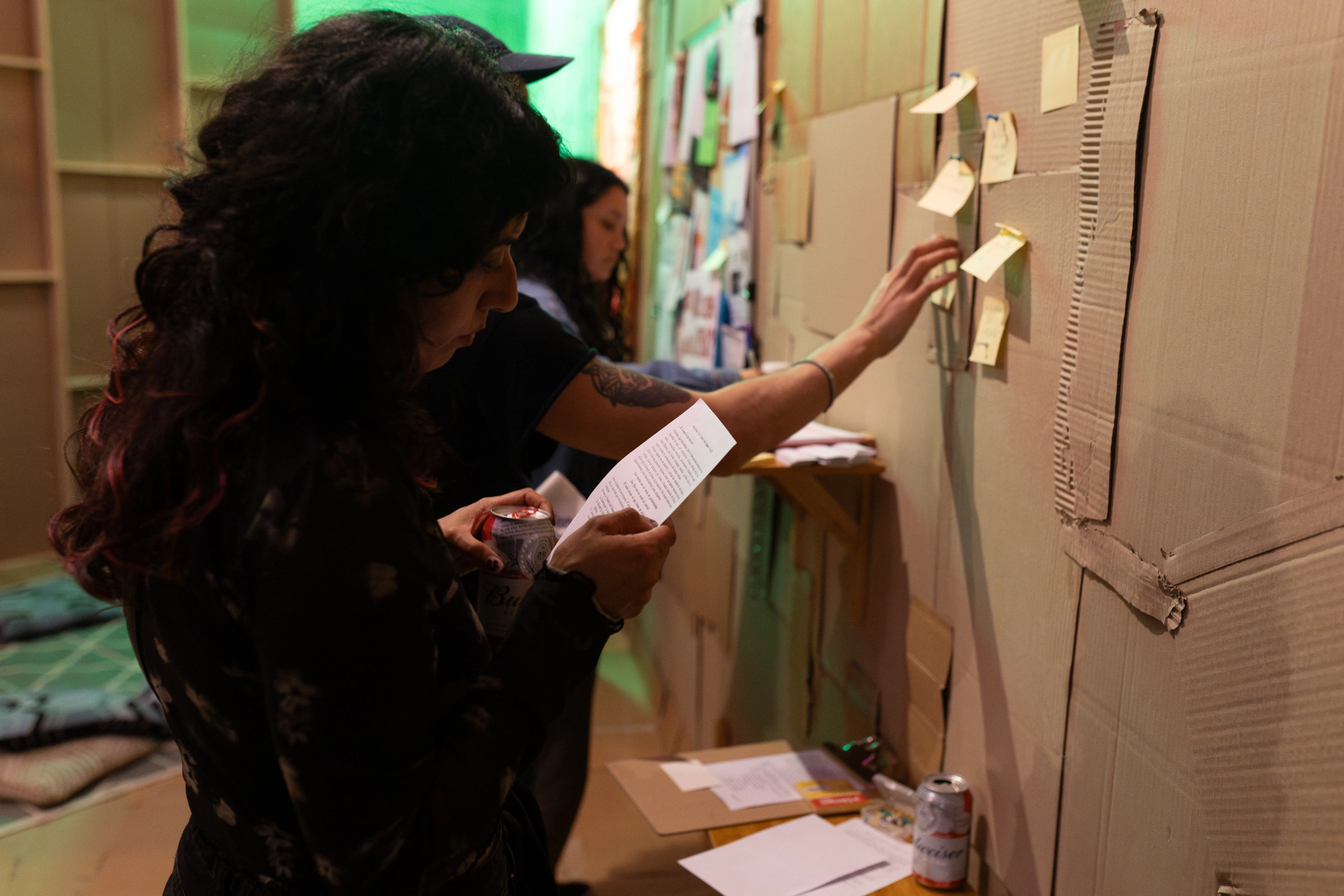
Today you are an accomplice: you are invited to participate in this collective record, the “Time Assemblies”, collective instances that will be executed during the exhibition period. This space has been designed for you to take it, so that you could think alongside us: What would we do in a life where the access to rights had no waiting line?